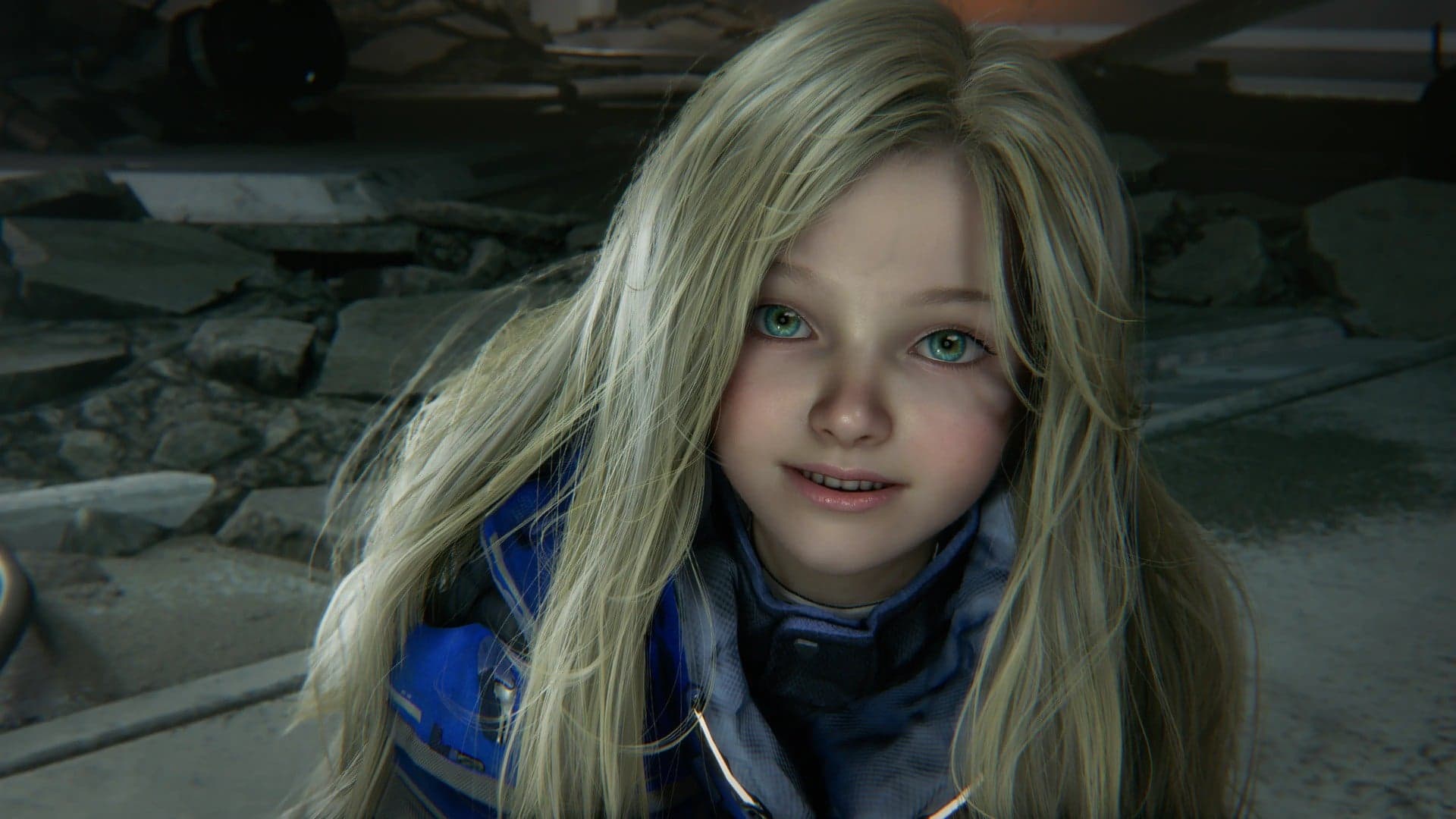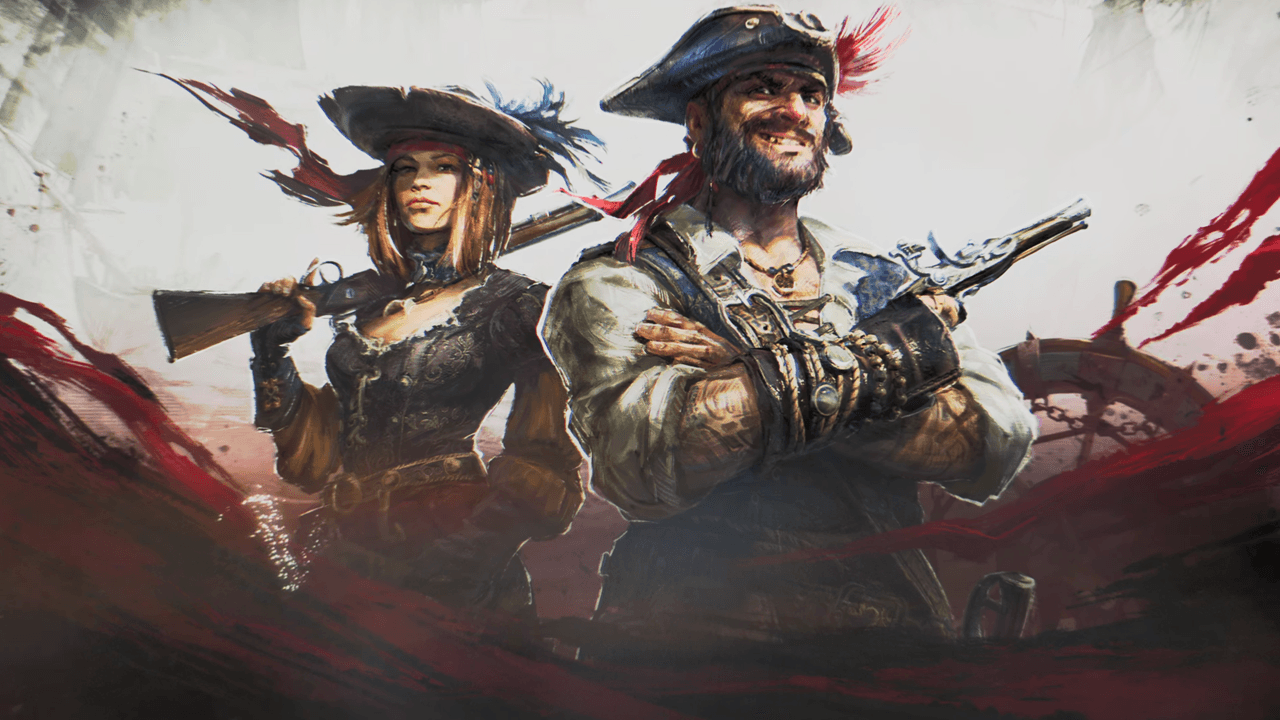
Pearl Abyss finally launched Crimson Desert today after more than half a decade in development—and the game’s early review scores have immediately collided with market reality. In the wake of critics landing on a “generally favorable” consensus (around 78 on Metacritic and 80 on OpenCritic), Pearl Abyss’ share price has fallen by nearly 30%, wiping out a chunk of the hype-fueled run-up that built into launch week. It’s a stark reminder that for publicly traded studios, “pretty good” can be treated like a miss when expectations—and budgets—are enormous.
What Happened: Pearl Abyss Shares Slide From ₩65,600 to Around ₩46,000
The numbers are ugly, and they moved fast.
Following the release of Crimson Desert reviews, Pearl Abyss’ stock dropped from roughly ₩65,600 (about $43.79 USD) earlier in the week to around ₩46,000–₩46,600 (about $30.70–$31.11 USD) during the next trading session—representing a decline of roughly 28–30%. Multiple reports peg the fall in the ~29.8% range, with one snapshot placing the stock at ₩46,600, down 28.96% from ₩65,600.
That’s not a gentle correction. That’s a trapdoor.
And while stock movements are never about a single variable in isolation, the timing here is hard to ignore: the dip hit right after review scores went live, with the market seemingly reacting to the idea that Crimson Desert didn’t land in the mid-to-high 80s that many expected.
Why “Generally Favorable” Reviews Still Spooked Investors
Here’s the uncomfortable truth: a 78 Metacritic isn’t bad. In a vacuum, it’s the kind of score plenty of beloved action RPGs have worn proudly. But Crimson Desert wasn’t positioned as “pretty solid.” It was positioned—by hype, by anticipation, by years of trailers and viral clips—as a potential genre heavyweight.
That gap between expectation and reality is where investors panic.
Reports note that market expectations were hovering around the mid-to-high 80s, and Crimson Desert simply didn’t get there out of the gate. The critical consensus so far has been consistent in a way that matters: praise for ambition and spectacle, paired with recurring complaints about execution.
Across early reviews, the most common themes include:
- Scope and ambition getting genuine admiration
- Combat receiving praise in some reviews, but also being criticized elsewhere as clunky, especially in boss fights
- Story and characters drawing repeated criticism
- Complaints about controls, interface, and other friction points
- Critiques of quest design, inventory, and how the narrative unfolds
Even within a single outlet ecosystem, you can see the split: one review scored it 7/10, praising the open-world environment, combat, and traversal, while criticizing quest design, narrative delivery, and the inventory system. Another review scored it 6/10, praising scale and beauty but calling out a bog-standard narrative, clunky combat (particularly in boss fights), and exploration that doesn’t feel rewarding enough. Yet another review framed it as technically proficient with “killer combat” (with caveats), but argued the characters and story are fatally undercooked.
That’s the profile of a game that might be fascinating and fun for a lot of players—but not the kind of universal critical darling that can justify a market’s most optimistic assumptions.
The Budget Shadow: Reports Peg Development at ₩200 Billion (About $133 Million)
If you want to understand why investors reacted like they touched a hot stove, follow the money.
Crimson Desert reportedly cost around ₩200 billion to develop—about $133 million USD—and one report describes a seven-year development cycle. When a project carries that kind of price tag, the market doesn’t just want “good.” It wants a hit that can move units at scale, sustain momentum, and justify the opportunity cost of years of production.
That’s why a “respectable” review average can still trigger a sell-off. Investors aren’t grading the game like players do; they’re grading the risk profile of the company.
And Pearl Abyss isn’t just any studio here. It’s both developer and publisher of Crimson Desert, meaning the upside can be huge—but so is the exposure if the launch doesn’t meet expectations.
The Hype Cycle Whiplash: A Run-Up, a Peak, and Then the Dump
The stock drop didn’t come out of nowhere. It came after a hype-driven climb that made the fall feel even more violent.
One report tracks Pearl Abyss’ stock rising roughly 52.94% from ₩37,400 (Dec 30, 2025) to ₩57,200 (Jan 30, 2026). A key catalyst cited: Pearl Abyss announcing Crimson Desert had “gone gold” on January 22, locking in the March 19 release date and reassuring investors the game would actually ship.
From there, the stock reportedly continued climbing, hitting an all-time high of ₩68,500 on March 16, described as roughly a 125% increase compared to March 16 the year prior.
That context matters because it reframes today’s plunge as more than “the game got a 78.” It’s also a classic hype-cycle unwind: investors piled in as certainty and excitement increased, then rushed for the exits once the first hard public signal—review consensus—suggested the ceiling might be lower than hoped.
In other words: the market didn’t just react to reviews. It reacted to the difference between reviews and the dream scenario it had already priced in.
Launch Day Reality Check: Release Timing, Preloads, and File Sizes
Crimson Desert is out today, March 19, 2026, with a single global release time that rolls into March 20 for some regions.
Reported global unlock times include:
- Pacific US: 3 pm PDT (March 19)
- Eastern US: 6 pm EDT (March 19)
- UK: 10 pm GMT (March 19)
- Europe: 11 pm CET (March 19)
- Australia: 9 am AET (March 20)
- New Zealand: 11 am NZDT (March 20)
Preloading is live, and the download/storage numbers are chunky:
- PS5 file size: 83.86GB
- PC download size: ~92GB (with 123GB space required cited in one place)
- PC minimum storage requirement: 150GB cited elsewhere
That’s not unusual for a modern open-world action RPG, but it underscores the scale Pearl Abyss is swinging for—and why expectations were so high.
The Game Itself: A Massive Open-World RPG Set in Pywel, Led by Kliff
Whatever you think of the review average, Crimson Desert is undeniably a big, ambitious swing.
It’s a single-player RPG set on the continent of Pywel, framed around Kliff, a warrior of the Greymanes, whose homeland is devastated in an opening ambush by rival faction the Black Bears. The early premise is revenge and survival, but the narrative is also positioned to expand into larger mysteries involving something known as the Abyss—a looming, unclear threat with world-level implications.
Pre-release materials also describe additional playable characters beyond Kliff, including:
- Oongka, a hulking nomadic orc and Greymane survivor
- Damiane, a nimble gunsmith described as adept with firearms and magic
There’s also a rebuilding angle: the Greymanes relocate to Harnand, and you recruit scattered clan members and assign roles like fishing, livestock management, exploration, and military operations.
That’s a lot of moving parts—exactly the kind of “tries it all” design that can inspire devotion… or expose seams, depending on how well it’s stitched together.
Can Pearl Abyss Bounce Back? Sales Will Decide the Next Chapter
A stock chart is not a verdict on a game’s long-term fate—but it is a verdict on investor confidence in the immediate moment.
The key point: this story isn’t finished. Not even close.
Several reports stress that the stock is still higher than it was a year ago, and that the company could rebound once sales numbers become clear. There’s also a notable counter-signal: Crimson Desert has been cited as a top-selling title on the PlayStation Store in at least one report, with an analyst observation placing it as the 4th best-selling game on PSN at the time referenced.
That’s the tension at the heart of this launch:
- Critics are saying “ambitious, impressive in places, frustrating in others.”
- Investors are saying “we expected a safer bet.”
- The market will ultimately care most about whether players show up in huge numbers anyway.
And honestly? It wouldn’t be the first time a big action RPG with a mixed critical reception still sells extremely well—especially when it has scale, spectacle, and viral momentum.
But Pearl Abyss doesn’t get to hide behind “generally favorable” forever. With a reported ₩200 billion development cost, the conversation is going to pivot quickly from Metacritic to attach rate, retention, word of mouth, and post-launch support.
If the studio can iterate—tighten controls, smooth UI pain points, address combat feel complaints, and improve quest flow—it could stabilize sentiment. If not, the stock market’s reaction today may end up looking less like an overreaction and more like an early warning.
What Remains Unknown
- Official sales figures for Crimson Desert have not yet been announced.
- The full breakdown of what drove the stock move (reviews alone vs. broader market dynamics and profit-taking) hasn’t been formally confirmed by Pearl Abyss.
- Details on post-launch update plans—including whether Pearl Abyss intends to address common criticisms around story delivery, controls, UI, and quest design—have not been fully outlined.
- Platform-by-platform performance (PC vs. PS5 and other platforms) and how that correlates with review sentiment remains to be seen.