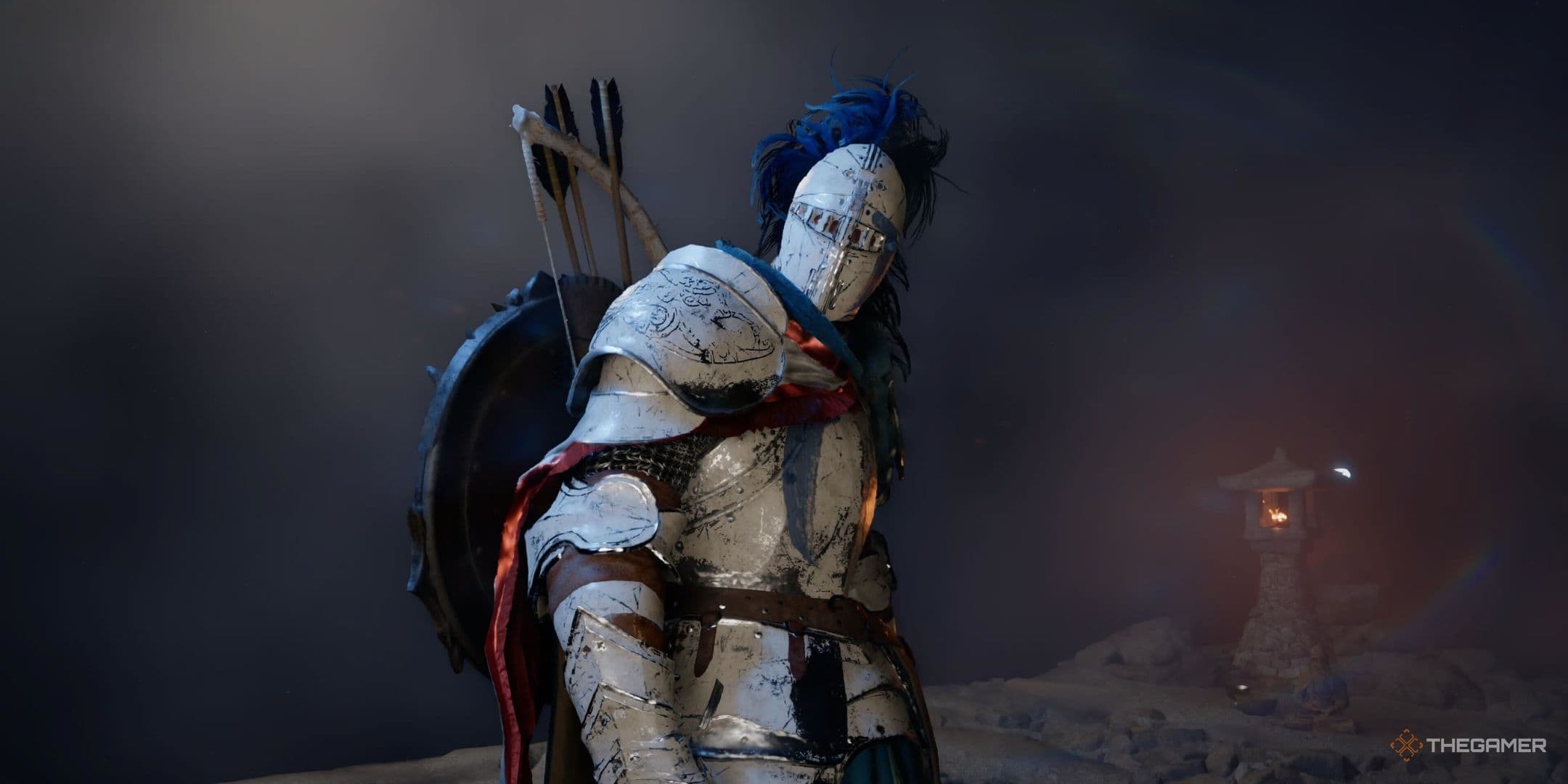
Klei Entertainment is officially bringing Don’t Starve back with Don’t Starve Elsewhere, a new multiplayer survival crafting game revealed during the April 2026 Triple-i Initiative Showcase. It’s still the same darkly whimsical, sketchbook-goth survival you remember—only now it’s built around a multi-tiered wilderness with real elevation, from snowy mountain peaks to winding cave systems, plus rivers and seas you’ll have to cross. A release date hasn’t been announced, but the game is confirmed for PC via Steam, where it’s already up to wishlist.
What We Know: A New Don’t Starve, Built for Co-op (and Built Upward)
Let’s get the obvious out of the way: Don’t Starve Elsewhere is the first brand-new “main” entry we’ve seen in a long time. The original Don’t Starve launched in 2013, then Klei pivoted hard into multiplayer with Don’t Starve Together in 2016—and now, roughly a decade later, the studio is iterating again with a new standalone survival experience.
Klei is pitching Elsewhere as an “all-new experience” set in a “strange and unforgiving new world filled with magic, monsters and mystery.” The core loop is familiar on purpose: you’ll gather resources, craft, build and maintain a home base, and try not to get yourself killed by the ecosystem, the night, and your own bad decisions. You can play solo or with friends, and co-op is clearly a pillar rather than an afterthought.
The reveal trailer also confirms some classic survivors are back in the mix—Wilson, Willow, Wendy, and WX-78 all appear—so this isn’t a total cast reset. Whether the roster expands to include later fan-favorites hasn’t been confirmed, but the early trailer focus is very much on recognizable faces.
Hills! Verticality Is the Big Gameplay Swing (and It Changes Everything)
The headline feature here—the one that should make long-time players sit up—is the shift away from the series’ traditionally flat overworld into what Klei calls an “elevated experience”: a multi-tiered wilderness with literal “ups and downs.”
That’s not just a cute bullet point. In survival games, terrain is gameplay. Elevation affects visibility, routing, escape options, base placement, and risk management. In Don’t Starve Together, the world’s danger often comes from what you can’t see (or what you stumble into while sprinting from something you definitely did see). Introducing vertical traversal—climbing to peaks, dropping into caves, navigating layered spaces—could dramatically change how you scout, how you kite enemies, and how you plan supply runs.
Klei’s feature list spells out the new traversal fantasy pretty clearly:
- Climb snow-covered mountain peaks
- Swim across rushing rivers and tumultuous seas
- Spelunk deep into winding cave systems
And yes, the world is still procedurally generated, meaning every run should remix those routes, chokepoints, and “oh no” moments in a way that keeps the series’ roguelike survival energy intact.
If you’ve ever had a Don’t Starve session where your camp was “safe” until it suddenly wasn’t—because migration paths, seasonal threats, or your own curiosity shifted the entire risk map—verticality is the kind of systemic change that can multiply those stories. It’s the rare sequel hook that isn’t just “more stuff,” but “a different kind of problem.”
New Biomes and Distinct Climates: Redwood Rainstorms and Frozen Peaks
Klei is also leaning into biome identity and climate-specific survival pressure. Elsewhere will feature new biomes with their own distinct climates, including:
- A redwood forest “blighted by relentless rainstorms”
- Chilly, snow-covered peaks at high altitudes
The studio’s own description frames this as “Climes and Punishment,” which is exactly the kind of grim little wordplay this series thrives on. Practically, it suggests the game wants to push you into preparing for environmental hazards beyond the usual day/night panic and seasonal swings.
There’s also mention of territorial creatures—the kind of enemies that don’t just exist to be fought, but to control space. In a game now built around layered terrain and traversal, creatures that “own” routes and regions could become a major part of how you plan expeditions and decide where to settle.
The trailer itself teases a bunch of new critters (and some that are hard to identify cleanly from a quick cut), but Klei hasn’t provided a full bestiary breakdown yet.
The Fog Is Back—And It’s Cursed
If there’s one thing Don’t Starve has always understood, it’s that the best horror isn’t gore—it’s pressure. The kind that makes you take risks you know you shouldn’t.
In Don’t Starve Elsewhere, that pressure has a name: the Fog.
Klei describes a “thick Fog” creeping across the landscape, cursing all it touches, and poses the central temptation: do you run from it, or risk your sanity to explore its secrets? That sanity angle is classic Don’t Starve—mental stability has always been a key resource, as real and as fragile as food.
What’s interesting is how the Fog seems positioned as more than just a weather effect. The language around it implies a roaming, corrupting hazard—something that can reshape your priorities mid-run. If it’s dynamic (and it sure sounds like it is), it could become the kind of system that forces relocation, punishes complacency, and turns “one more day” into a catastrophic misread.
Klei hasn’t explained exactly how the Fog works yet—how fast it spreads, whether it can be resisted, whether it’s tied to progression, or whether it’s a biome-specific threat. But it’s already doing what a good Don’t Starve mechanic should do: making you nervous about curiosity.
Release, Platforms, and Where to Wishlist
Here’s what’s confirmed right now:
- Developer: Klei Entertainment
- Game: Don’t Starve Elsewhere
- Platforms: PC (Steam)
- Release date / window: TBA
- Pricing: Not announced
- Steam status: Available to wishlist
There’s currently no official word on consoles, other PC storefronts, Early Access plans, cross-play, or whether this is positioned as a long-term live co-op platform like Don’t Starve Together became. The announcement materials and coverage consistently point to Steam as the only confirmed platform so far.
Why This Reveal Matters (Even Without a Date)
The Triple-i Initiative Showcase had plenty of heavy hitters—Castlevania: Belmont’s Curse got another big showing, and the event packed 40 games with multiple world premieres—but Don’t Starve Elsewhere lands differently because it’s not just “another indie reveal.” It’s the return of a survival series that helped define an era of stylized, systemic, story-generating sandboxes.
And Klei isn’t just repainting the same house. Verticality is a foundational change, and it’s the kind of design decision that can either:
- unlock a fresh decade of emergent survival stories, or
- expose just how hard it is to rebalance a game where every system is interconnected.
Given Klei’s track record—especially how Don’t Starve Together evolved into its own beast over time—there’s reason to believe the studio understands the stakes. The big question is how quickly they’ll start showing the deeper systems: combat flow in vertical spaces, base-building implications, traversal tools, and how co-op roles might evolve when the world isn’t a flat loop anymore.
For now, the hook is simple and strong: the Constant (or whatever Elsewhere’s new world is called) finally has altitude, and that alone is enough to make veteran survivors start theorycrafting.
What Remains Unknown
A lot of the most important details are still under wraps, including:
- Release date or release window (no timing announced)
- Console versions (only PC via Steam is confirmed)
- Pricing and whether there will be Early Access
- Player count for co-op and whether there’s any cross-play
- The full survivor roster beyond Wilson, Willow, Wendy, and WX-78 appearing in the trailer
- How the Fog system works mechanically (spread, triggers, counters, rewards)
- Whether the game connects narratively to Don’t Starve/Don’t Starve Together or is a more standalone “Elsewhere” continuity
Klei has opened the door. Now we wait for the studio to show what’s lurking in the fog—and what, exactly, is waiting at the top of those hills.