Eidos-Montréal — the storied studio behind Deus Ex and a key contributor to the modern Tomb Raider era — has announced a major workforce reduction impacting 124 employees, alongside the departure of Head of Studio David Anfossi. The news lands as yet another gut-punch in a games industry that can’t seem to stop shedding talent, and it raises fresh questions about what, exactly, Eidos-Montréal will look like after years of cancellations, restructures, and support work.
The studio says the cuts are tied to “changing project needs” and affect staff “across production and support teams,” with a leadership transition plan now “underway.” What it doesn’t say is the part everyone wants answered: what happens next for the studio’s long-rumored projects — and whether Eidos-Montréal can regain its footing as a flagship creator, not just a high-end support house.
What Happened: 124 Jobs Cut, Studio Head Out
Eidos-Montréal shared the announcement via a statement posted to LinkedIn confirming two major changes at once: a reduction of 124 roles and the exit of David Anfossi, who has been the studio’s head for many years.
Here’s the core of the studio’s message, which is blunt about the scale and scope of the cuts:
“Eidos Montréal is announcing a reduction in its workforce and the departure of Head of Studio, David Anfossi. The reduction in workforce affecting 124 employees is a result of changing project needs and impacts across production and support teams.”
The statement goes on to frame the decision as strategic rather than performance-based, emphasizing that the layoffs are “not a reflection of their talent, dedication, or performance,” and that the studio’s priority is supporting affected employees “with care and respect,” while maintaining continuity for the teams that remain.
On Anfossi’s departure, Eidos-Montréal keeps it formal and tight-lipped: the company says the two sides are “parting ways,” thanks him for his contributions, and notes that “a transition plan is underway,” with more updates coming once new leadership is finalized.
Notably, the studio does not clarify whether Anfossi resigned or was directly impacted by the layoffs. At least one report notes that point remains unclear.
Why This One Hits Hard: Eidos-Montréal’s Long Slide Since 2021
On paper, Eidos-Montréal is still a marquee name. In practice, it’s been stuck in a brutal limbo for years.
The studio’s last shipped game was Marvel’s Guardians of the Galaxy (2021). Since then, Eidos-Montréal has been attached to high-profile work — including support roles on Grounded 2 and Fable — but it hasn’t released a new title of its own. That matters, because studios don’t maintain identity on prestige alone. They maintain it by shipping.
The layoffs also aren’t an isolated incident. This is the third major round of cuts referenced across recent reporting:
- A round in March 2025 that impacted 75 employees
- A round in December 2025 that impacted senior staff (with some reports noting the number wasn’t publicly specified)
- And now, March 2026, with 124 employees affected
That pattern tells a story: not a single “belt-tightening” moment, but a prolonged struggle to secure stable, long-term production work at the scale Eidos-Montréal was built for.
There’s also the ownership context. Eidos-Montréal was acquired by Embracer Group from Square Enix in 2022. Since then, Embracer has been widely associated with aggressive cost-cutting across its portfolio, and Eidos-Montréal has repeatedly found itself caught in that undertow.
The Project Problem: Cancellations, Pitches, and Unanswered Questions
Eidos-Montréal’s statement pins the layoffs on “changing project needs,” but it doesn’t name any specific project, cancellation, or pivot. That leaves the industry doing what it always does in these moments: reading between the lines.
Multiple reports point to a studio that has seen numerous projects canceled or mothballed over the past few years, including attempts to get a new Deus Ex project moving. There’s also mention of other rumored or reported cancellations, including a Lord of the Rings project described as having “Telltale-style story elements,” and talk of a possible Soul Reaver/Legacy of Kain-related revival that didn’t materialize.
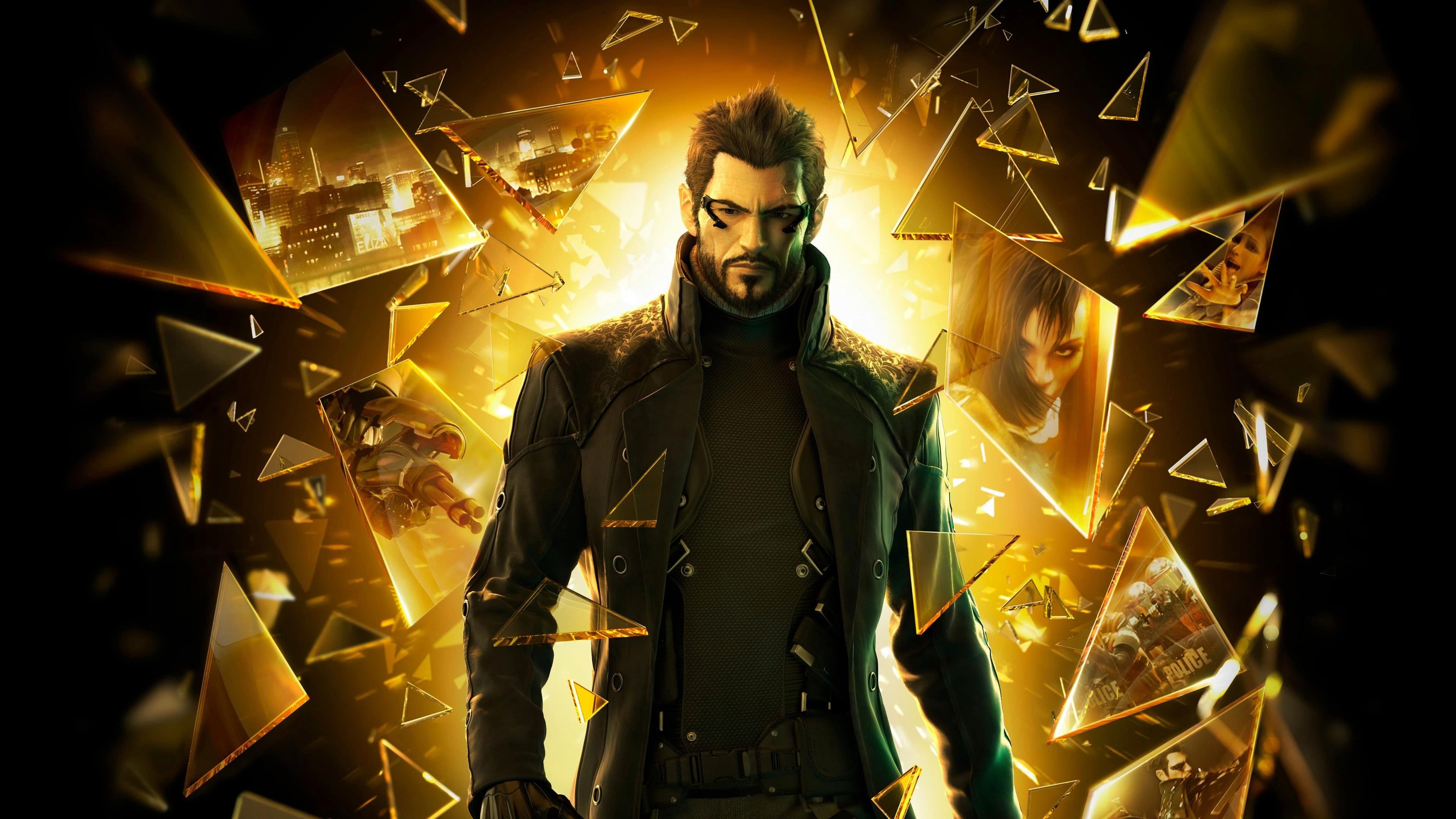
One of the most consequential threads is the recurring claim that Eidos-Montréal has been trying — and failing — to revive Deus Ex. There was talk of pitches to partners and publishers, but the consistent takeaway is that no deal came together. If you’re a fan of immersive sims, that’s the real heartbreak behind the headline: the genre’s most important modern torchbearers can’t get the green light, even with a recognized brand.
There’s also reporting about a long-gestating new project. One report references an “AAAA” Unreal Engine 5 project known as P11, described as a new IP in development since 2019, with “hundreds of millions” invested. Another report describes a AAA open-world action-adventure in development since 2019 with doubts about its ability to recoup its budget. It’s not confirmed whether these refer to the same project, and Eidos-Montréal has not publicly clarified how (or if) the latest layoffs affect any specific game currently in development.
That uncertainty is the point: when a studio cuts 124 people “across production and support teams,” it’s rarely a surgical trim. It’s a restructuring that changes what the studio is capable of making, and how fast.
The Bigger Picture: Another Chapter in the Industry’s Layoff Era
Eidos-Montréal’s news doesn’t exist in a vacuum. The last few years have been defined by layoffs across publishers and developers of every size, and March 2026 alone has seen significant cuts elsewhere in the industry, including layoffs at other major companies and studios.
But Eidos-Montréal stands out because it’s not just “another studio hit by layoffs.” It’s a studio with a legacy — one that helped define modern sci-fi RPG and immersive sim design through Deus Ex, and contributed to blockbuster action-adventure craftsmanship through Tomb Raider. Watching that kind of talent base get carved down again and again is more than sad; it’s strategically alarming for an industry that constantly complains about rising costs and production risk while simultaneously burning through the very experience that helps control both.
And then there’s the human reality: 124 people is not a “reduction,” it’s lives disrupted — developers, artists, producers, QA, support staff — many of whom will now be competing in an overcrowded job market where too many studios are cutting at once.
What Remains Unknown
There are several key details Eidos-Montréal has not confirmed publicly:
- Whether David Anfossi resigned or was laid off, and the specific circumstances of his departure
- Who will replace Anfossi as Head of Studio, and what the new leadership structure will be
- Which projects were impacted by the layoffs, if any were canceled or scaled back
- The status of any in-development new IP referenced in external reporting (including projects described as being in development since 2019)
- What Eidos-Montréal’s next shipped game will be, and whether it will be a lead developer role or continued support work
For now, Eidos-Montréal’s message is clear on only one thing: the studio is shrinking again, and it’s entering a new era without the leader who’s been at the helm for years. Whether that’s the start of a focused rebuild — or another step in a longer unraveling — is the question hanging over one of gaming’s most respected names.