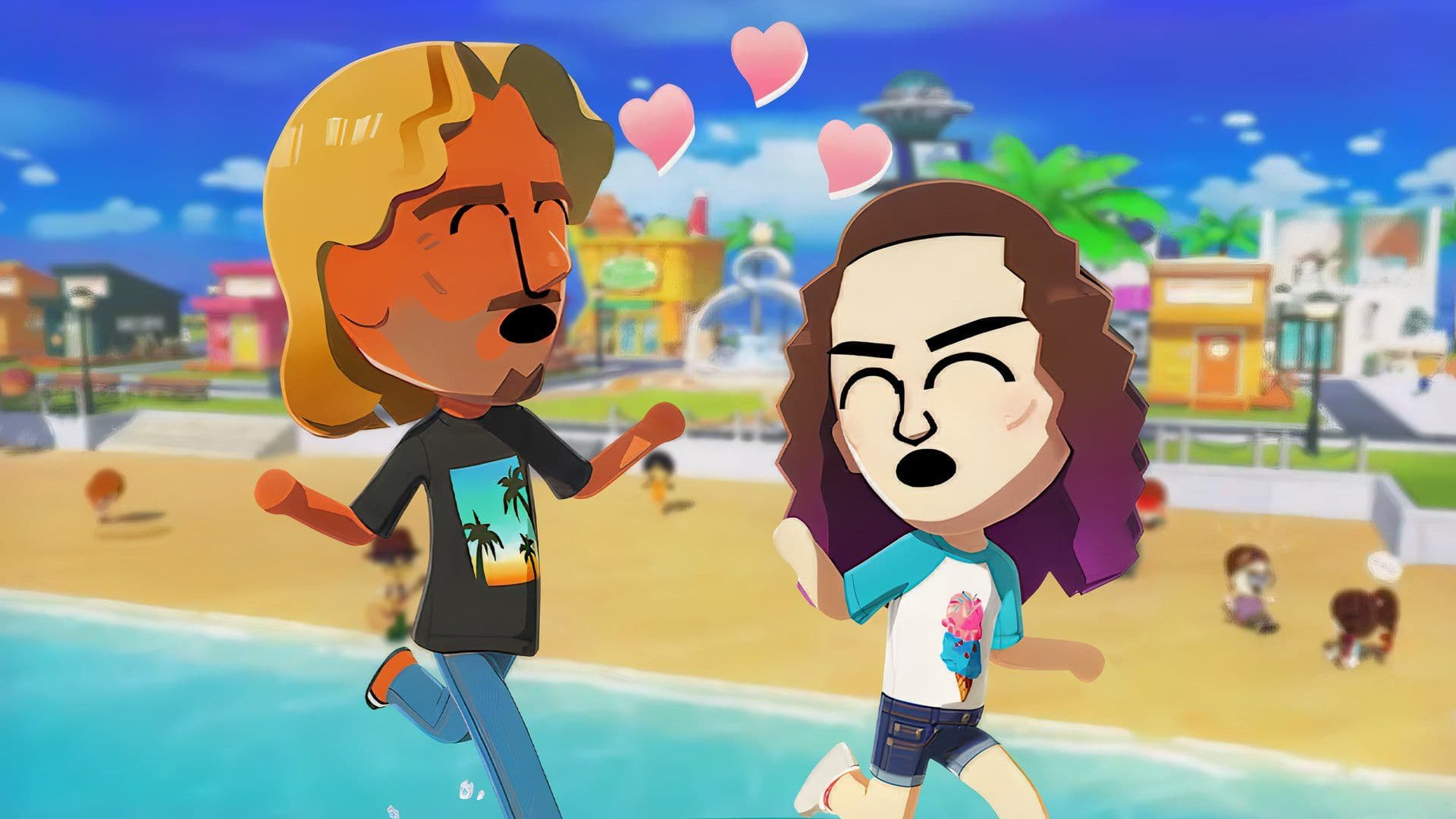
Tomodachi Life: Living the Dream is already proving it’s less a cozy life sim and more a chaos engine with a heart—especially when romance enters the picture. Yes, you can absolutely play matchmaker on your island, but the game’s relationship system is built to keep you guessing, mixing player nudges with unpredictable, reality-TV-grade curveballs. If you’re trying to make specific Miis fall in love (or just want anyone to stop pining and finally confess), here’s what actually works—and what can quietly sabotage your plans.
Romance in Living the Dream: What’s Changed (and What Hasn’t)
Romance in Tomodachi Life: Living the Dream isn’t a simple “raise affection meter, trigger cutscene” setup. The whole point is that relationships feel like they happen to you as much as you make them happen—an intentional blend of influence and organic development that keeps the island feeling alive.
The big takeaway: romance takes time, and it’s built on friendship first. Miis need a meaningful relationship foundation before romantic feelings even enter the chat. That means if you’re trying to brute-force a couple into existence on day one, you’re fighting the design.
At the same time, you’re not powerless. The game gives you ways to encourage interactions, solve problems, and keep Miis socially active—small pushes that can turn “they’ve met” into “they’re inseparable,” and eventually into “I have something to tell you…”
The Non-Negotiables: Conditions Miis Must Meet to Date
Before you start orchestrating meet-cutes, make sure the pairing is even allowed. Not every pair of Miis can fall in love, and the game enforces several requirements before romance is possible:
- Miis must belong to the same age group
- Dating preferences must align
- Miis cannot be related
- Friendship must already exist at a meaningful level
If you’re stuck wondering why two Miis won’t progress past “friendly neighbors,” it’s often one of these gates. And even when all requirements are met, chemistry still isn’t guaranteed—some Miis simply don’t develop romantic feelings, even with lots of positive interaction.
Compatibility can also be influenced by how Miis engage with the island: hobbies, favorite foods, and responses to events can all affect how naturally they click. The best advice here is almost annoyingly simple: experiment. Try different social circles and watch who gravitates toward whom.
How to Actually Spark Love: The Steps That Matter
If you want romance to happen reliably, you need to focus on the things the game consistently rewards: interaction frequency, mood timing, and steady relationship growth.
1) Build friendship on purpose (without forcing it)
Miis need a solid friendship before romantic feelings develop. The most effective approach is to encourage regular interactions—because when Miis spend time together, their friendship level rises, and that increases the chance a crush develops.
This is where checking in regularly matters. If you treat your island like a set-it-and-forget-it aquarium, you’ll still get surprises, but you’ll get fewer “targeted outcomes.” If you want specific couples, you have to be present enough to steer the social web.
2) Pay attention to moods and timing
One of the most underrated parts of the romance system is how much it thrives on moments. The game can be subtle, and it can also blindside you.
Helping a distressed Mii can sometimes trigger unrequited love, which can become a relationship if feelings are returned. That’s not just cute flavor—it’s a real lever you can pull. If you notice a Mii is down, stepping in can create the kind of emotional “turning point” that leads to confessions.
3) Solve problems, keep the island socially “fed”
Supporting relationships isn’t only about putting two Miis in the same room. Relationship growth is tied to general island life: solve Mii problems, encourage social activity, and keep things moving.
And if a relationship seems to stall, the game’s own logic suggests you should mix up routines or introduce new activities. Relationship growth can plateau; shaking up the day-to-day can help reignite momentum.
4) Accept that randomness is part of the deal
Even with player involvement, outcomes aren’t guaranteed. Some Miis stay friends despite repeated interactions, while others develop feelings quickly. That tension—control vs. chaos—is the defining flavor of Living the Dream.
It’s also why the game generates such strong “I can’t believe this happened” stories. One player’s island drama even escalated into a full-on love-triangle ambush: a carefully planned confession got interrupted when another Mii showed up and confessed first, forcing the crush to choose on the spot. That’s not a scripted “questline.” That’s the sim doing what it does best: turning your plans into a spectacle.
From Crush to Couple: Confessions, Choices, and Keeping Love Alive
Once a Mii develops feelings, you’ll eventually see the moment you’ve been waiting for: a confession attempt. If it succeeds, the two become sweethearts, and their relationship continues to grow through daily interactions and shared experiences.
But Living the Dream doesn’t stop at “they’re dating, roll credits.”
Love triangles can happen
Miis may fall in love with two Miis at the same time, and you’ll get the opportunity to choose who they should be with. This is where the game’s soap-opera energy really kicks in—because your “perfect pairing” can get challenged by an unexpected rival with better timing.
Relationships can cool off—and break
Sweethearts aren’t locked in forever. If couples stop interacting or have too many arguments, their bond can weaken, and breakups can happen. The practical lesson: if you want a couple to last, keep them engaged with new experiences and steady positive interaction.
Marriage (and beyond) is the long game
Couples who interact regularly and remain happy are more likely to reach the next stage over time, and relationships can evolve into marriage if the bond stays strong.
And yes: Miis can have children. When that happens, the game combines the parents’ features to create a kid—one more reason romance isn’t just “cute side content,” but a progression system that changes the shape of your island.
Why Your Miis Aren’t Falling in Love (Even When You’re Trying)
If romance isn’t happening, the common culprits are straightforward:
- Mismatched preferences
- Friendship level too low
- Limited interaction
- No chemistry despite meeting requirements
The most important mindset shift is this: don’t treat a failed romance like a dead end. The island’s social ecosystem is constantly shifting. A failed confession today can lead to a new friendship, or set up a completely different pairing later—often with someone you never would’ve predicted.
And honestly, that unpredictability is the secret sauce. It’s why the game’s funniest moments aren’t just “lol random,” but the kind of emergent comedy that comes from watching a community form, fracture, and reform around your choices.
Why Romance Matters: Progression, Unlocks, and Island Life
Romance isn’t just for screenshots and drama. Romantic relationships contribute to progression and unlock new opportunities:
- Couples can eventually marry, unlocking new events and interactions
- Romantic milestones can unlock special gifts, exclusive locations, and new dialogue options
- Romance makes the island feel more dynamic, adding variety to daily gameplay
This ties into the broader island loop, where you’re also unlocking buildings and services as your community grows. There are 13 different types of buildings to unlock (not counting Mii houses), ranging from shops to hangout spots. Some unlock through the tutorial, while later unlocks can feel mysterious—sometimes triggered by a sudden in-game news broadcast announcing something new.
Possible ways players have seen buildings unlock include:
- Create more Miis
- Raise Mii happiness levels
- Forge relationships
- Resolve Mii ponderings
- Play Mii minigames to earn treasure
In other words: building relationships isn’t just “roleplay.” It’s part of how your island expands and becomes more feature-rich.
What Remains Unknown
Even with players digging into systems, a few things still aren’t fully nailed down:
- Exact unlock requirements for some later buildings haven’t been clearly confirmed, since unlocks can occur unexpectedly via island news broadcasts.
- The precise weight of factors like hobbies, favorite foods, and event responses on romance compatibility isn’t fully defined in a way players can reliably “solve.”
- How strongly player encouragement can override “no chemistry” outcomes remains unclear—some pairs appear resistant even when all requirements are met.
If you’re trying to engineer the perfect couples, that uncertainty can be frustrating. But it’s also the reason Tomodachi Life: Living the Dream is exploding with shareable stories: you’re not just optimizing a system—you’re managing a tiny society that refuses to behave. That’s the dream, and it’s also the problem.