Metro 2039 is real, it’s mainline, and it’s coming this winter—bringing 4A Games’ post-apocalyptic shooter series roaring back after 2019’s Metro Exodus. Revealed during an Xbox First Look showcase by publisher Deep Silver, the sequel isn’t just “darker than ever” marketing talk: the studio says Russia’s full-scale invasion of Ukraine fundamentally reshaped the game’s story, themes, and intent. This is Metro returning to the tunnels—while carrying the weight of the real world on its back.
What We Know: A Return to the Moscow Metro, With a New Lead and a New Regime
Let’s start with the big, fan-pleasing headline: Metro 2039 is deliberately pivoting away from the broader, semi-open structure of Metro Exodus and heading back underground. The setting is once again the Moscow Metro, leaning hard into the claustrophobia, dread, and “every bullet matters” tension that made the earlier games such singular survival-shooter experiences.
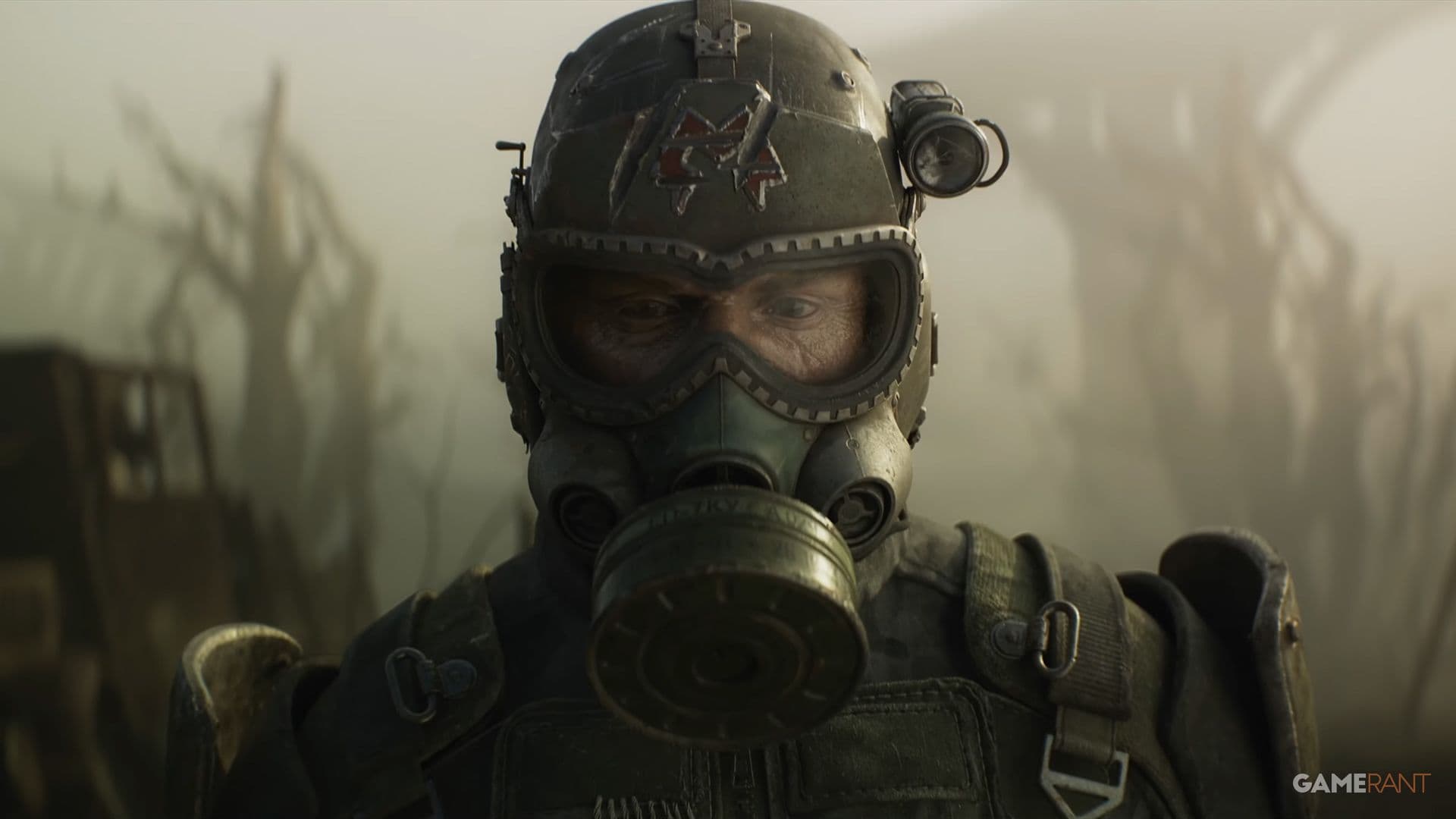
This time, you play as The Stranger, a new protagonist—and crucially, the first fully voiced lead character in the series. He’s described as a recluse plagued by violent nightmares, forced back into the Metro despite swearing he’d never return. The reveal trailer frames his psychological horror through surreal, disturbing nightmare imagery before snapping back to a frost-covered, ruined Moscow.
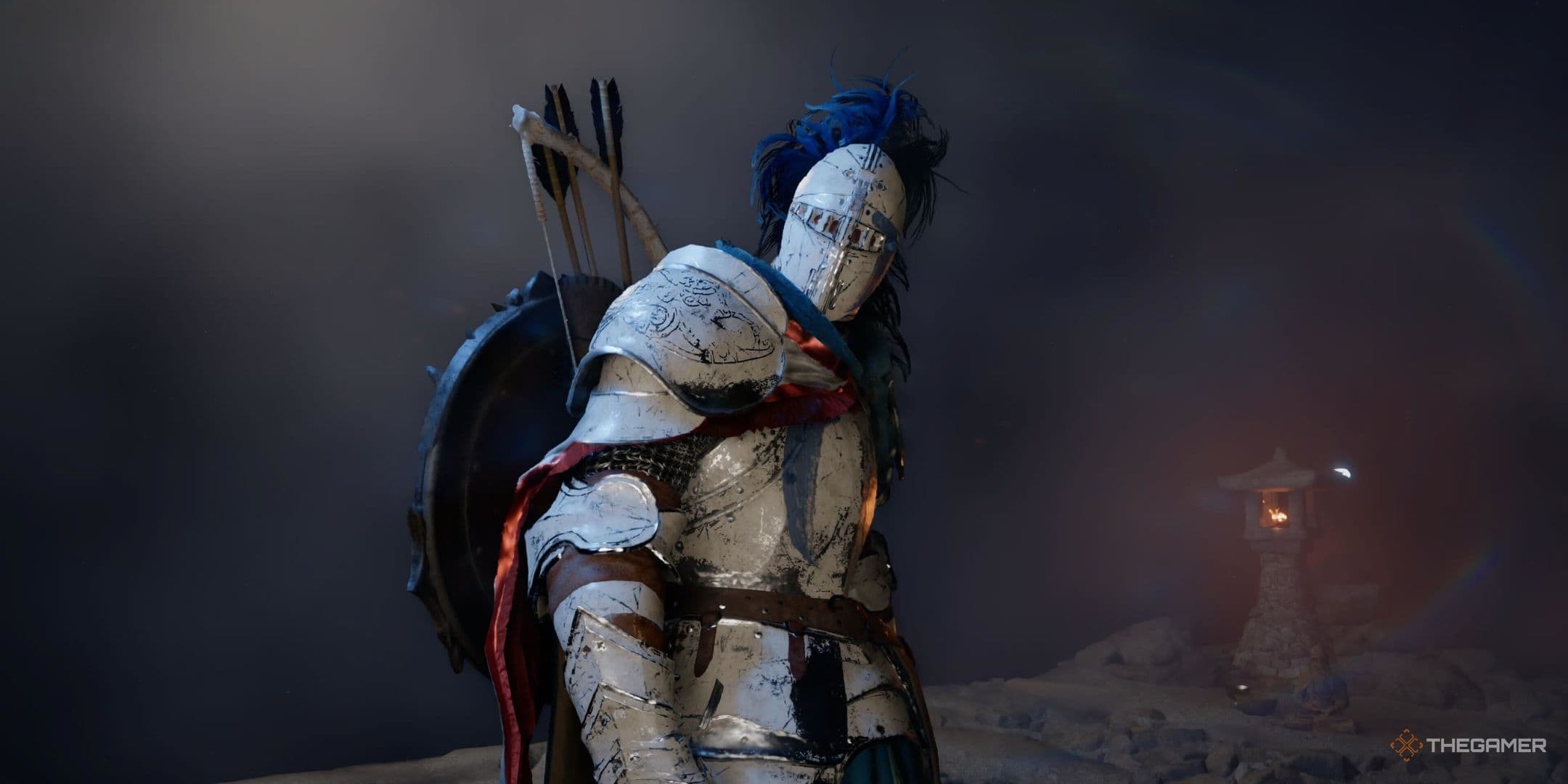
The political situation underground has also escalated into something even more overtly authoritarian. The Metro’s previously divided factions have been unified under a single banner: the Novoreich, led by a new Führer—Hunter, described as a legendary Spartan. The regime rules through propaganda, misinformation, fear, and subjugation, promising salvation while tightening its grip on the people below.
The story is being written in collaboration with Dmitry Glukhovsky, author of the Metro novels the games are based on. 4A has also highlighted that Glukhovsky is living in exile from Russia after being sentenced to prison in absentia for criticizing the invasion of Ukraine.
“Everything We Had Planned… Changed”: How the War in Ukraine Reshaped Metro 2039
4A Games isn’t being coy about this: the studio has said the invasion didn’t just affect production logistics—it changed the game itself.
Executive producer Jon Bloch put it bluntly: “Everything we had planned for the next chapter of Metro changed.” The team has described continuing development while dealing with the realities of war—working through displacement, power outages, and the need to shelter from missile and drone strikes, sometimes relying on batteries and generators to keep building the game.
That context matters because 4A is positioning Metro 2039 as a thematic pivot. The studio says Metro has historically been about preventing war—but now, war is their reality, and the message has shifted. Creative director Andriy ‘mLs’ Shevchenko and co-creative director/lead audio designer Pawel Ulmer have described the new focus as being about:
- the consequences of war
- the cost of silence
- the horrors of tyranny
- the price of freedom
Ulmer also stresses the team isn’t trying to turn the apocalypse into spectacle: they’re “not romanticizing the post-apocalypse” or making a “theme park” out of it. The language across the reveal is consistent: this is meant to be tragic, human, and grounded, with a heavier emphasis on choices, actions, and consequences.
It’s hard to overstate how unusual—and how bracing—this is for a big-budget shooter reveal. Plenty of games borrow the aesthetics of oppression. Metro 2039 is being presented as a work shaped by developers living through the modern version of the very forces their fiction has always warned about.
Gameplay Glimpse: Classic Metro Tension, “Frozen Stories,” and Survival Systems That Still Bite
The reveal included only a brief slice of mixed gameplay and in-engine cinematics, but it’s enough to signal the series’ core identity is intact—and, if anything, being sharpened.
Combat and survival: maintenance, misfires, and that iconic watch
In the gameplay tease, The Stranger explores a ruined station and is attacked by Nosalises—returning mutants. The sequence leans into tactical panic rather than power fantasy: he retreats, his weapon misfires, and he’s forced into close-quarters desperation (including stabbing a creature while it’s mauling him). It’s a small moment, but it screams Metro: your gear isn’t a guarantee, and the world punishes complacency.
UI-wise, the series’ preference for diegetic information appears to be back in force. The clip shows the familiar wristwatch approach—used to track survival-critical details like filter timing—rather than relying on a big, gamey HUD.
Environmental storytelling: 4A’s “frozen stories”
4A is doubling down on handcrafted detail with a term they’re putting front-and-center: “frozen stories.” The idea is that each location is staged with deliberate props, bodies, clutter, and traces of life—micro-narratives you absorb by paying attention, not by listening to an exposition dump.
The studio’s pitch is that nothing is prefabricated: rooms should feel like someone lived there, worked there, hid there… and then either fled or died. That’s been Metro’s strength for years, but 4A is explicitly framing it as a core pillar of Metro 2039’s design.
A quick look at settlements
The gameplay snippet ends with The Stranger escaping into a populated area—giving a blink-and-you’ll-miss-it look at the kinds of Metro station communities you’ll be moving through. That matters, because Metro works best when it contrasts the terror of the tunnels with the uneasy “civilization” of the stations—where safety is always conditional, and politics are often as deadly as monsters.
Tech and Platforms: 4A Engine Returns, Ray Tracing Rebuilt, Launching Winter 2026
Metro 2039 is being built on the studio’s proprietary 4A Engine, continuing a lineage that’s powered the series for more than a decade. 4A is emphasizing visuals again—no surprise from the team that helped make Metro Exodus a ray tracing showcase back in 2019.
This time, the studio says ray tracing is being treated as a core component of the rendering pipeline, with their implementation rebuilt to be more tuned and performant on modern hardware—while still aiming for that “hauntingly beautiful” look Metro fans expect.
Confirmed platforms
Metro 2039 is confirmed for:
- PC (via Steam and Epic Games Store)
- PlayStation 5
- Xbox Series X|S
Release window
The release window is Winter 2026. No specific date has been announced yet, and pricing hasn’t been confirmed.
Why This Reveal Hits Harder Than a Typical Sequel Announcement
On paper, the bullet points are exactly what Metro diehards have been craving: back to the tunnels, heavier horror, oppressive factions, handcrafted immersion, and a new protagonist with a full voice performance to anchor the narrative.
But the reason this reveal is going to stick—especially for longtime fans—is that 4A isn’t selling darkness as an aesthetic. The studio is openly framing Metro 2039 as a work transformed by lived experience, with themes that mirror modern atrocities: propaganda, tyranny, and the human cost of war.
And that’s the tightrope. Metro has always been political, always been about systems and survival and what people become when the world ends. Metro 2039 is being positioned as the moment where that subtext becomes text—where the series stops warning about the abyss and starts describing what it feels like to live next to it.
If 4A can land that without losing the series’ signature pacing—those long, suffocating stretches of quiet dread punctuated by sudden violence—this could be the most important Metro game yet, not just the next one.
What Remains Unknown
Even with a strong reveal, there are still major unanswered questions:
- Exact release date within Winter 2026 (no day-and-month confirmed)
- Pricing and editions (standard, deluxe, collector’s, etc. not announced)
- Length and structure of the campaign (how linear it is compared to Exodus hasn’t been fully detailed)
- How choice and consequence systems work in practice (the studio emphasizes them, but specifics aren’t shown)
- More extended gameplay (the reveal includes only a short snippet, not a full mission walkthrough)
- Performance targets (resolution/frame-rate modes on PS5 and Xbox Series X|S haven’t been detailed)
For now, the message is clear: Metro is back, it’s angrier, it’s more intimate, and it’s arriving with the kind of real-world gravity most shooters only pretend to have. Winter can’t come soon enough.