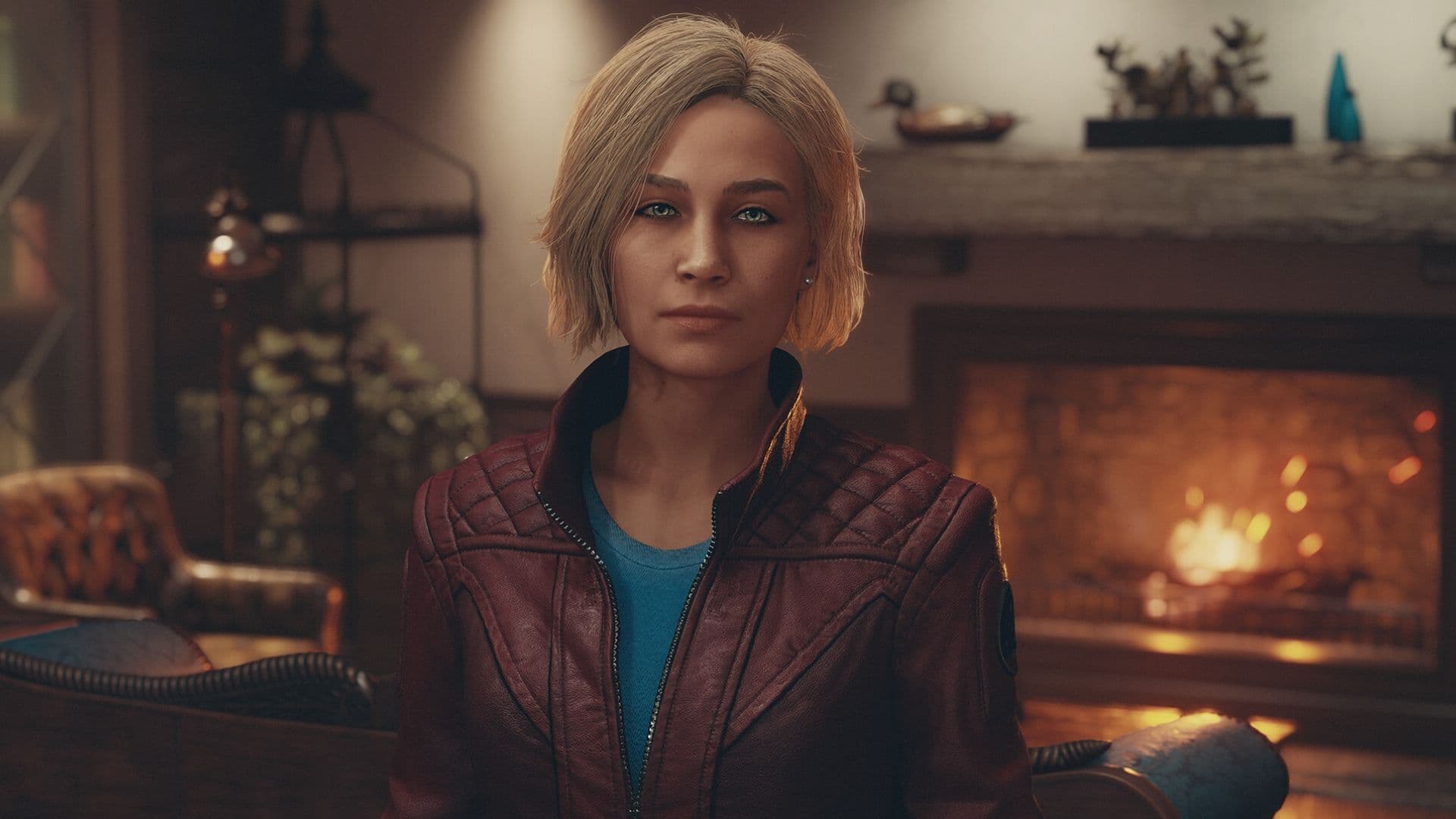
Bethesda’s long-awaited Starfield launch on PS5 is finally here—but early sales estimates suggest the sci-fi RPG’s debut is more shrug than supernova. One analytics report pegs the game at roughly 140,000 copies and $7.7 million in gross revenue in its first week on Sony’s console, a result being described as “middling” for what was once positioned as a generation-defining blockbuster.
That muted старт lands in a fascinating moment for PlayStation: PS5 hardware sales in the US just hit their strongest week of 2026, as buyers rushed to beat Sony’s sweeping price hikes. In other words, the install base momentum is there—yet Starfield may not be capitalizing the way Microsoft and Bethesda would’ve hoped.
What the early PS5 sales estimates actually say
Alinea Analytics estimates Starfield sold about 140,000 copies on PS5 in its first week, generating $7.7 million in gross revenue. The game arrived on PlayStation on April 7, nearly three years after its original Xbox Series X|S and PC launch in 2023.
Those numbers aren’t being framed as a disaster—140K in a week for an older RPG port is nothing to sneeze at. But the key word attached to the performance is “middling,” and that’s the part that matters. Starfield isn’t just any port; it’s Bethesda’s biggest RPG in nearly a decade, and it’s the kind of release that—on paper—should have been a slam dunk on a platform with a massive RPG audience.
There’s also an important asterisk: these are estimates, not official sales figures. Alinea’s methodology isn’t presented like retail tracking data, and its accuracy has been debated publicly in the past. Still, without official numbers from Bethesda or Microsoft, estimates like these become the only yardstick anyone has—and they’re already shaping the narrative.
How Starfield stacks up against other Xbox-to-PS5 ports
The same report places Starfield behind several other Xbox-published games that have landed on PS5 in recent months—specifically Ninja Gaiden 4, Microsoft Flight Simulator 2024, and The Outer Worlds 2.
One comparison is especially striking: Ninja Gaiden 4 is cited as the best-performing Xbox title to hit PS5 in the last six months, with an estimated 257,000 copies sold on the platform since its October 2025 launch. Microsoft Flight Simulator 2024 is listed at 245,000, and The Outer Worlds 2 at 160,000—with Starfield behind them in that ordering.
But context matters, and not all comparisons are apples-to-apples. Those other games have had more time to accumulate sales, while Starfield has only been on PS5 for a week. Even so, the fact that Starfield isn’t immediately running away with it—despite the brand recognition and the sheer weight of the Bethesda name—raises uncomfortable questions about how much demand really existed versus how much people assumed existed.
There are also a couple of notable bright spots buried in the same data:
- Starfield is described as the fastest-selling Xbox-to-PS5 port in the last six months, with 140,000 copies in its first week.
- It’s also said to have already sold more than Avowed, Age of Empires 4, and South of Midnight did when those titles arrived on PS5.
And then there’s the elephant in the room: Forza Horizon 5. Alinea estimates that game has sold a staggering 5.7 million copies on PS5 to date, generating more than $320 million in gross revenue. That’s not just a hit—it’s the kind of result that can rewrite boardroom strategy. Against that benchmark, Starfield’s opening week looks less like “late-cycle port success” and more like “brand damage made visible.”
Why this PS5 launch might be underperforming: reputation, timing, and technical issues
If you’re looking for a single clean explanation for “middling” sales, you won’t find one. But the reporting around this launch points to three forces that—together—can absolutely blunt momentum.
1) Starfield arrives with baggage, not mystery
When Starfield launched in 2023, it did so straight into Game Pass, and while it was undeniably huge in reach—Bethesda said it became the Xbox Series’ “most-played” game ever at launch and surpassed 6 million players—that’s not the same thing as being universally beloved.
The game’s reputation has remained divisive, and that matters more on PS5 than it did on Xbox. On Xbox, Game Pass lowers the friction: players can “try it because it’s there.” On PS5, the purchase decision is more direct, and negative word-of-mouth has a way of turning curiosity into caution.
It’s also noted that Starfield landed 11th on the overall 2023 US sales charts, a placement that suggests many people may have sampled it via subscription rather than buying it outright. That history makes the PS5 port a different kind of test: not “can we get people to play Starfield,” but “can we get people to pay for Starfield in 2026?”
2) It’s a late port in a market that moves fast
This PS5 release is arriving over two years after the original launch. That’s a long time in a live conversation. The people most likely to evangelize the game have either already played it—or already decided it’s not for them.
And while Starfield did launch on PS5 alongside a major free update called Free Lanes and a paid DLC titled Terran Armada, the reporting doesn’t yet indicate whether that content is meaningfully shifting perception. Big updates can revive interest, but they rarely erase a reputation that’s already calcified.
3) PS5 players are reporting serious crashing issues
Nothing kills a launch like instability, and Starfield’s PS5 debut is reportedly being hit by a crashing issue severe enough that some players have called it “unplayable,” with claims of crashes happening “every 2 minutes.”
Bethesda has responded, saying it narrowed the problem down to a small number of causes and plans to release a hotfix “in the coming days.” That’s the right move—and fast. But the damage window is real: the first week is when a port either catches fire through social proof or gets smothered by “wait for patches” discourse.
PS5 hardware sales surged in the US—because people tried to beat Sony’s price hikes
Here’s the twist: Starfield’s “middling” PS5 sales are landing during a week when PlayStation hardware demand spiked hard in the US.
Circana analyst Mat Piscatella said weekly unit and dollar sales of PS5 hardware reached 2026 highs in the US during the week ending April 4, as consumers rushed to buy before price increases took effect. He also said US spending on video game hardware for the week nearly doubled compared to the same week a year ago.
Sony’s price hikes are steep, and they’re now the backdrop for basically every PlayStation business story in 2026:
- PS5 (base): now $649.99 in the US
- PS5 Digital Edition: now $599.99
- PS5 Pro: now $899.99
- PlayStation Portal: now $249.99
Sony has said the increases were driven by “continued pressure in the global economic landscape,” and the reporting also points to rising costs for materials like memory.
Piscatella didn’t provide a breakdown of which models drove the spike (base vs. Pro), and it’s also unclear whether the numbers include devices like PlayStation Portal. But the headline is undeniable: people bought PS5s in a hurry.
That makes Starfield’s soft-looking debut even more interesting. If you believe the traditional logic—more consoles sold equals more software sold—then a major release landing around a hardware spike should get at least some lift. Instead, the early read suggests Starfield isn’t converting that moment into a breakout.
What this means for Microsoft’s multiplatform strategy
Microsoft’s shift away from hard exclusivity has been one of the defining industry pivots of the last two years. We’ve already seen first-party games like Grounded and Sea of Thieves hit PS5 in 2024, followed by bigger arrivals like Forza Horizon 5 and Microsoft Flight Simulator 2024 in 2025. Starfield joining that list was always going to be symbolic—because it’s not just “another port,” it’s Bethesda’s flagship new universe.
If these estimates are even close, the takeaway isn’t “PS5 players don’t buy Xbox games.” The takeaway is sharper: timing and perception are everything.
Forza Horizon 5 reportedly becoming a monster on PS5 shows the ceiling is sky-high when the game’s reputation is strong and the pitch is clean. Starfield’s performance—again, based on estimates—suggests that a late port can’t automatically outrun years of discourse, especially when the launch is complicated by technical problems.
And that’s the real strategic question hanging over this: if Microsoft’s plan is to treat PlayStation as a second wave of revenue, how long can it wait before that second wave becomes a trickle? The longer the gap, the more the market has moved on—and the more likely the port is being sold to an audience that has already made up its mind.
What Remains Unknown
- Official PS5 sales numbers for Starfield have not been announced by Bethesda or Microsoft.
- Whether the reported 140,000 copies / $7.7 million estimate is accurate—and how large the margin of error might be.
- How much the PS5 version’s crashing issues are impacting refunds, review scores, and week-two sales.
- Sales splits by edition (standard vs. bundles) and the attach rate for the paid Terran Armada DLC have not been confirmed.
- Whether Bethesda will share updated player counts for PS5 that could contextualize sales (especially given Starfield’s history of Game Pass-driven reach).
If Bethesda lands that hotfix quickly and the PS5 version stabilizes, Starfield could still find its legs—especially with PlayStation players who prefer sprawling single-player RPGs and have been waiting years to see what the fuss was about. But right now, the early story is clear: the most anticipated Xbox-to-PS5 port of the era isn’t arriving like a conquering hero. It’s arriving like a game that has something to prove.