Xbox just made Xbox Game Pass Ultimate and PC Game Pass cheaper—then immediately took a flamethrower to one of the biggest reasons many people subscribed in the first place: day-one Call of Duty. Starting today (April 21, 2026), Microsoft says new Call of Duty entries won’t hit Game Pass until “about a year” after launch, even as the company insists it’s “listening” to feedback and trying to rebuild value under new Xbox leadership.
So why, in 2026—after Microsoft spent tens of billions to bring Activision Blizzard under the same roof—doesn’t Game Pass simply include every Call of Duty game, old and new? The answer is a messy mix of economics, product strategy, and the unglamorous reality that “owning the publisher” doesn’t automatically make the entire back catalog frictionless to ship inside a subscription.
The short version: Microsoft is protecting Call of Duty’s cash machine
Let’s start with what Microsoft did confirm today: new Call of Duty games are no longer a day-one Game Pass perk on Game Pass Ultimate or PC Game Pass. Instead, they’ll arrive “during the following holiday season (about a year later).” That’s not a vague implication—it’s the new policy.
At the same time, Microsoft cut prices:
- Game Pass Ultimate: $22.99/month, down from $29.99/month
- PC Game Pass: $13.99/month, down from $16.49/month
- Microsoft notes prices may vary by region
Microsoft’s public reasoning is framed around flexibility and feedback: “Our players cover a wide breadth of geographies, preferences, and tastes… this change responds to a lot of feedback we’ve gotten so far. We’ll continue to listen and learn.”
But the business logic is staring everyone in the face. Call of Duty is one of the last true annual retail juggernauts, and Microsoft is signaling that it wants those full-price sales (and the surrounding ecosystem of monetization) to breathe again, rather than being swallowed by a subscription promise that forced Game Pass pricing upward.
In other words: Microsoft is choosing to make Game Pass cheaper by letting Call of Duty sell like Call of Duty again.
What Call of Duty is actually on Game Pass right now (and what’s missing)
If you’re looking at your subscription and wondering why the library doesn’t read like a complete franchise museum, you’re not imagining it. As of today, only six Call of Duty games are included in Game Pass:
- Call of Duty: WWII (2017)
- Call of Duty: Modern Warfare (2019)
- Call of Duty: Modern Warfare II (2022)
- Call of Duty: Modern Warfare III (2023)
- Call of Duty: Black Ops 6 (2024)
- Call of Duty: Black Ops 7 (2025)
That’s a weirdly selective slice of a series that spans generations, subseries, and some of the most iconic campaigns in shooter history. And it leaves a lot on the cutting-room floor—15 games missing from Game Pass, per the current count cited in coverage today.
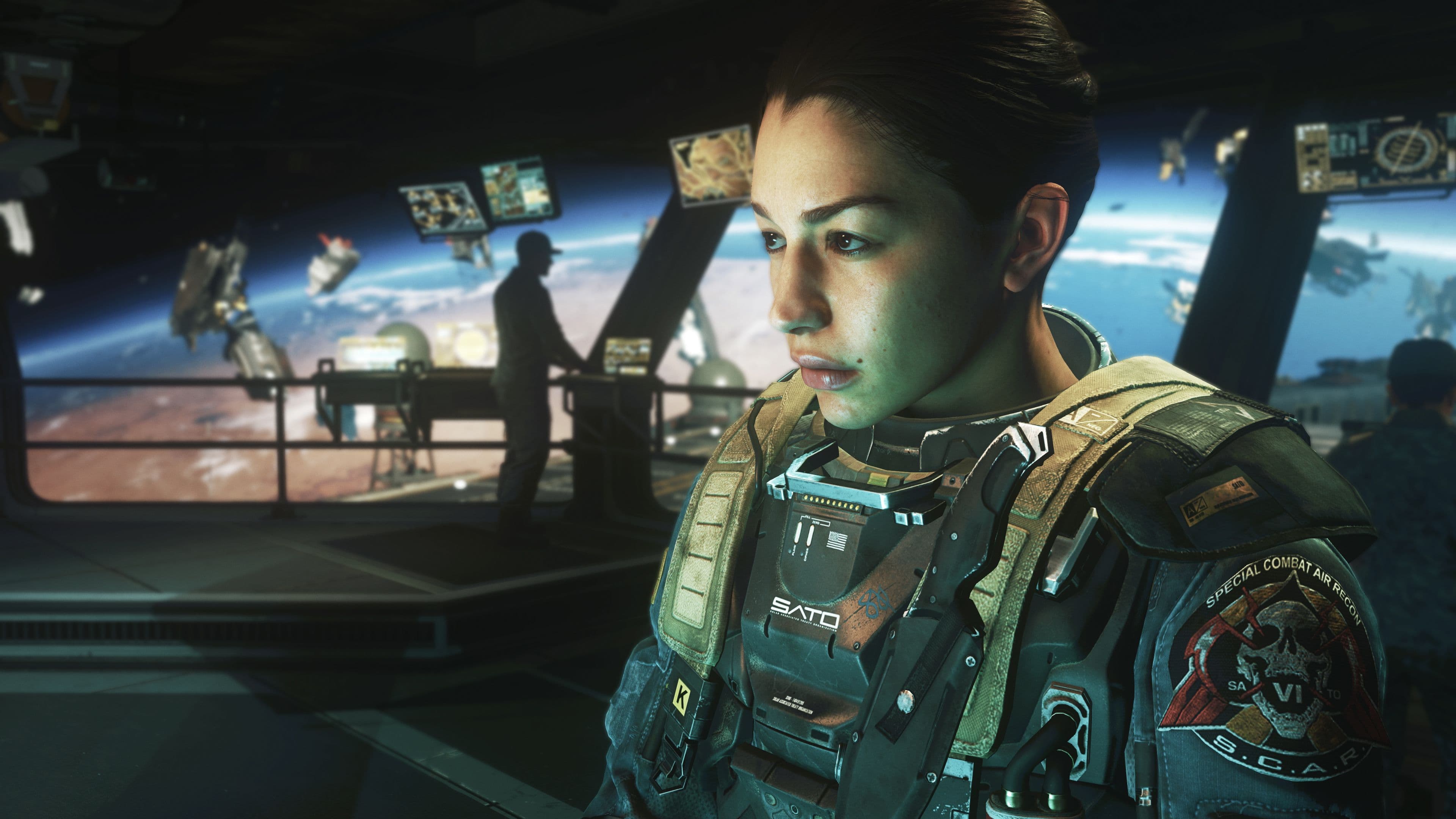
This is the part that stings for players who aren’t even here for the yearly multiplayer treadmill. There’s a huge audience that wants to revisit campaigns—Infinite Warfare, Black Ops Cold War, classic Modern Warfare entries—and they’re staring at a subscription that’s supposed to be the “Netflix of games” while one of gaming’s most bingeable back catalogs remains partially locked behind individual purchases.
Microsoft has confirmed that existing Call of Duty titles already in the library will remain available. What it has not done is commit to a timetable for the missing entries, or even promise they’re all coming.
Why Microsoft doesn’t just dump the entire CoD back catalog into Game Pass
Here are the most defensible reasons—based on what Microsoft has said and what today’s changes imply—why every Call of Duty game isn’t simply on Game Pass right now.
1) Call of Duty became the scapegoat for Game Pass price pain—so Microsoft is backing off
Over the last year, Game Pass pricing became a lightning rod. Ultimate surged to $29.99/month after the October 2025 hike (up from $19.99/month before that increase). Now it’s been pulled back to $22.99/month, but it still hasn’t returned to the pre-hike baseline.
Microsoft Gaming CEO Asha Sharma has been blunt—internally and publicly—that the service got out over its skis. She wrote in a memo that Game Pass had become “too expensive for players” and that Microsoft needed “a better value equation,” while also saying it was “clear” the model “isn’t the final one.” Today’s price cut is the first big, concrete manifestation of that philosophy.
And what’s the cleanest lever to pull if you want to reduce perceived cost without gutting the entire offering? You remove the single most expensive, most predictable, most annually demanded content obligation: day-one Call of Duty.
Once Microsoft is willing to delay new CoD by a year, it’s not hard to see why it might also be cautious about flooding the service with the entire back catalog in one go. Call of Duty is now being treated as a premium asset again, not a buffet line.
2) “We own Activision” doesn’t mean every legacy title is instantly subscription-ready
Microsoft’s Xbox Wire post is laser-focused on pricing and the day-one policy change. It does not provide a technical or licensing breakdown for older titles—and that silence matters.
Older games can come with complications that don’t show up on a corporate org chart: legacy music licenses, third-party tech agreements, region-by-region publishing quirks, and platform-specific entitlements. None of that has been officially cited as the reason here, so it would be irresponsible to claim it is the blocker—but the absence of a simple “they’re all coming next month” announcement suggests there’s more friction than fans assume.
If it were as easy as flipping a switch, Microsoft would have every incentive to do it today, because it would instantly soften the blow of losing day-one CoD.
3) Microsoft is trying to re-balance Game Pass around “major day-one releases” that aren’t CoD
Microsoft’s messaging is careful: Ultimate subscribers still get “hundreds of games,” “in-game benefits,” “online console multiplayer,” “unlimited Xbox Cloud Gaming,” and “major day one releases.” The key phrase is that last one—major day-one releases—because it implies Microsoft still believes in the day-one value proposition.
Just not for Call of Duty.
That suggests a strategic repositioning: keep Game Pass as the place where you discover and play a wide range of titles at launch, while Call of Duty returns to being a traditional tentpole retail release (and then becomes a subscription add later, when it’s no longer the center of the cultural conversation).
And yes, that’s a blow to anyone who treated Game Pass Ultimate like an annual CoD pre-order replacement. But it’s also Microsoft admitting something out loud that the industry has been dancing around for years: not every mega-franchise fits neatly into a subscription model without distorting the price.
4) The “one-year later” policy changes the incentive to add older games quickly
Microsoft has now defined a new cadence: CoD arrives about a year later, in the following holiday season. That creates a pipeline where Game Pass can be positioned as the place to catch up—play last year’s CoD campaign, dabble in multiplayer, maybe buy cosmetics, and get ready to purchase the new one.
If that’s the plan, then the back catalog becomes less urgent from Microsoft’s perspective. The service doesn’t need to be “every CoD ever” to support the new strategy; it just needs to be a reliable landing spot for last year’s CoD and a handful of modern entries.
That’s not what many fans want, but it’s consistent with what Microsoft just implemented.
The human reason: players hate getting burned, and Microsoft knows it
There’s also an emotional truth here that’s easy to dismiss until you’ve lived it: people don’t want to buy a $70 game and then see it hit a subscription library shortly after. That fear is now supercharged around Call of Duty because Microsoft has made the franchise’s Game Pass status a moving target.
Today’s announcement actually cuts both ways:
- If you buy CoD at launch, you’re less likely to feel “burned” by it appearing on Game Pass immediately.
- If you don’t buy it, you now know you’ll probably wait about a year.
But for older games—especially campaigns—players are stuck in limbo. Some are discounted on modern platforms, but without a clear roadmap, it’s rational to hesitate. Microsoft could fix that overnight with a simple commitment: “the rest of the back catalog is coming in waves.” It hasn’t said that.
And that’s why the question “why doesn’t Game Pass include every Call of Duty game?” is suddenly louder than ever. Microsoft just asked players to accept a major perk removal. The least it could do is make the history of the franchise easier to access inside the service.
Game Pass pricing: the cut is real, but it’s not a free lunch for CoD players
On paper, the new monthly prices are a win. In practice, they’re a win if you’re not a yearly Call of Duty buyer.
Microsoft’s own move makes the math unavoidable: if you’re the kind of player who subscribed primarily to get CoD at launch, you’re now paying for Game Pass and buying CoD separately. The price cut helps, but it doesn’t replicate the old value proposition.
And that’s the core tension behind the entire “why not every CoD?” debate. Microsoft is trying to satisfy two groups at once:
- Players who want Game Pass to be cheaper and don’t care about CoD day-one.
- Players who want Game Pass to be the all-in Call of Duty subscription.
Today’s policy picks a side—at least for now.
What Remains Unknown
- Whether Microsoft plans to add the remaining 15 missing Call of Duty games to Game Pass, and on what schedule.
- Whether the “about a year later” policy will apply uniformly to every future Call of Duty release, including the unannounced 2026 entry.
- Whether other major first-party or Activision franchises could eventually lose day-one Game Pass status as Microsoft continues to “evolve” the service.
- Any official explanation for why specific older CoD titles (like Infinite Warfare and Black Ops Cold War) aren’t currently included, beyond the fact that they simply aren’t in the library today.
If Microsoft wants this new era of Game Pass to feel like a genuine value reset—not just a reshuffling of who pays full price and when—it needs to do one thing fast: communicate a clear Call of Duty back-catalog plan. Right now, the silence is the story.