The idea that Call of Duty would become a permanent, day-one pillar of Xbox Game Pass has been one of the most powerful narratives to come out of Microsoft’s Activision Blizzard King acquisition. Now, an Xbox insider is floating the possibility that the 2026 entry (and potentially even sooner) might not launch day-and-date on the subscription service — a move that would signal real tension inside Xbox’s current “everything is a service” playbook.
The claim isn’t framed as a done deal, and there’s no official announcement from Microsoft or Activision. But even the suggestion that Call of Duty 2026 might skip Game Pass is enough to rattle expectations, because it goes straight at the heart of what Game Pass has been selling players for years: big games, immediately, for one monthly fee.
The Claim: “Possibility” That Call of Duty Leaves Day-One Game Pass
The key detail here is that Windows Central editor Jez Corden has said there’s a “possibility” Microsoft could take Call of Duty out of Game Pass day-one releases, based on what he’s heard. Speaking on a stream, Corden framed it as something that could happen as soon as this year, adding: “If they take Call of Duty out of Game Pass this year, which is a possibility from what I've heard, I think it'll reveal some of the cracks in the strategy… But I don't know.”
That last part matters. This is not positioned as a confirmed internal decision, and Corden himself is explicitly uncertain. Still, it’s a notable shift in tone from the post-acquisition assumption that Call of Duty would be the ultimate Game Pass growth engine — the kind of content that makes a subscription feel non-negotiable.
It also lines up with the broader chatter that Xbox’s strategy is being re-examined under changing business conditions: the economics of day-one releases, the pressure to maintain revenue, and the reality that the biggest franchises in the world don’t always behave like indie catalog filler when you put them into an all-you-can-eat buffet.
Why This Matters: Game Pass Economics vs. Call of Duty Sales
Microsoft buying Activision Blizzard King created an obvious, tantalizing promise: put Call of Duty on Game Pass and watch subscriptions explode. But the business math has always been more complicated than the marketing.
One of the big points fueling skepticism is the claim that, despite Treyarch saying Black Ops 6 benefited from launching on the service, later reporting suggested Microsoft lost $300 million in potential sales. That’s the kind of number that changes conversations in boardrooms fast—especially when you’re dealing with a franchise that traditionally prints money at full price across multiple platforms.
And that’s the core tension: Call of Duty is not just another “content drop.” It’s a premium annualized blockbuster with an audience conditioned to buy it outright, often alongside cosmetics and ongoing engagement. If Game Pass converts too many full-price buyers into subscribers (or even worse, into “I’ll just wait” players), the short-term subscription bump may not cover the long-term revenue hole.
TheGamer’s reporting also points to speculation that Microsoft may have tried to blunt the impact by hiking the price of Game Pass Ultimate by 50% ahead of Black Ops 7, but Xbox still reported a revenue dip for 2025 after a lukewarm response to that game. Whether Game Pass was the decisive factor in that revenue decline isn’t confirmed here, but it’s clearly part of the conversation orbiting Xbox’s current strategy.
There’s also the franchise cadence issue. Activision has announced it would no longer do back-to-back releases to avoid burnout. That’s a creative and brand-health decision on its face, but it also intersects with subscription economics: fewer tentpole drops means fewer “must-subscribe-now” moments, which can make the cost of day-one inclusion harder to justify.
The Competitive Context: Xbox vs. PlayStation’s Subscription Playbook
If Microsoft does pull Call of Duty from day-one Game Pass, it would bring Xbox closer to the more conservative approach that PlayStation has openly favored.
PlayStation doesn’t put its flagship first-party games on PS Plus at launch, and has said its strategy of bringing games in when they’re 12 to 18 months old (or older) is “working really well across the platform.” That’s a fundamentally different philosophy: treat subscriptions as a second life for games, not the primary launch vehicle.
Xbox, by contrast, has spent years training its audience to expect day-one access—especially for first-party. That expectation is powerful… and dangerous. Once you build your brand around “you don’t have to buy games anymore,” walking that back (even for one franchise) risks consumer backlash and confusion.
But here’s the uncomfortable truth: Call of Duty might be the one franchise big enough to force a reckoning. If the numbers don’t work, they don’t work. The question becomes whether Xbox can adjust without breaking the trust it’s trying to rebuild.
TheGamer notes that “new Xbox leadership” is attempting to earn back goodwill, including rolling out long-awaited changes to achievements and polling fans on what updates they want next. That’s the kind of community-facing momentum you want before you make a potentially unpopular change to Game Pass value perception.
What This Would (and Wouldn’t) Mean for Other Xbox Blockbusters
One fear that will immediately hit the community if this rumor grows legs: if Call of Duty can skip Game Pass day-one, what about everything else?
The reporting pushes back on that slippery slope a bit. Even if Xbox changes course specifically for Call of Duty, it doesn’t automatically mean other first-party titles — The Elder Scrolls 6 is explicitly mentioned as an example — would follow the same path.
And that distinction is crucial. Call of Duty is structurally different from most Xbox first-party output:
- It’s historically a multi-platform mega-seller with an entrenched annual purchase habit.
- It has a massive competitive ecosystem and engagement loop.
- It’s one of the few franchises where “lost sales” from subscription cannibalization could be enormous.
So if Microsoft were to carve out an exception, it could be framed internally as a one-off business decision rather than a wholesale retreat from day-one Game Pass. Whether players would accept that framing is another matter.
Meanwhile, Game Pass Is Still Landing Big Day-One Releases (Like Hades II)
It’s worth grounding this rumor in what’s happening on the service right now: Game Pass is still getting meaningful day-one additions, including high-profile releases that would absolutely move needles for a lot of players.
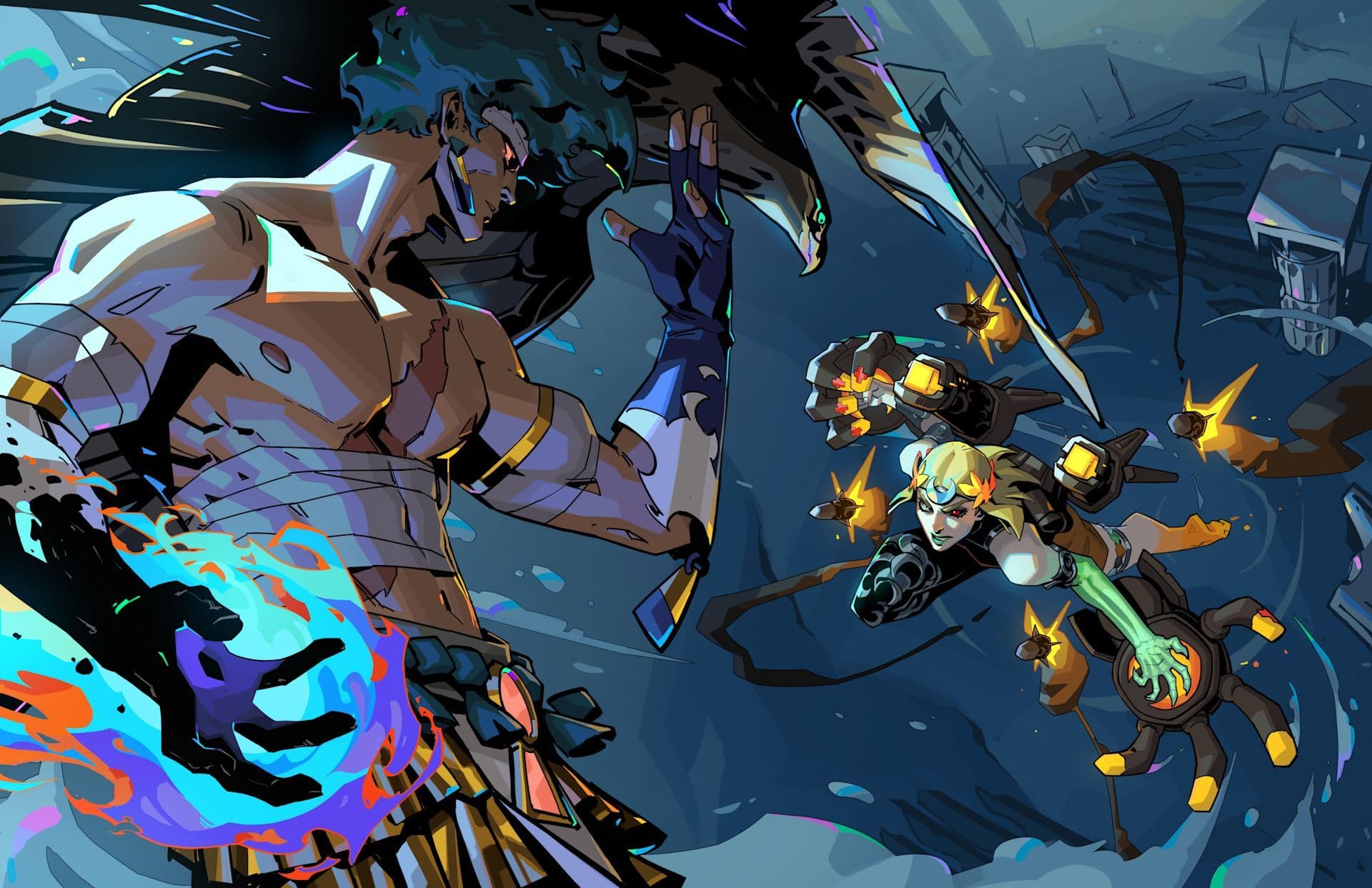
Microsoft’s official “Next Week on Xbox” lineup confirms Hades II launches on April 14 with Game Pass support on Xbox, alongside a listed price of $29.99 (with a shown discounted price of $23.99). The same post also confirms Replaced hits Game Pass on April 14 as well.
And Supergiant Games has also said that the April 14 launch of Hades II on Xbox and PlayStation 5 will coincide with a patch across platforms, including “some bonus content and quality-of-life improvements,” with full patch notes arriving on release day.
That matters because it reinforces the idea that Game Pass isn’t suddenly “drying up.” If anything, it highlights the likely reality: Microsoft can still justify day-one deals for many games, but Call of Duty might be expensive enough — and sales-sensitive enough — to be treated differently.
The Big Question: Is This a Negotiation Tactic, a Pivot, or Just Noise?
Right now, the rumor sits in an awkward middle ground: credible enough to discuss because it comes from a known Xbox insider, but explicitly uncertain and not backed by any official statement.
There are a few plausible interpretations based strictly on what’s been said:
- Xbox leadership may be actively debating whether day-one Call of Duty on Game Pass is sustainable.
- The company could be considering a hybrid approach (for example: delayed inclusion), similar to PlayStation’s “wait window” model — though no specific plan has been confirmed.
- This could also be early, incomplete information from behind-the-scenes discussions that never become policy.
What’s undeniable is that the stakes are massive. Call of Duty is the crown jewel people point to when they justify the Activision deal as a Game Pass accelerant. If that jewel doesn’t land in the subscription case on day one, the entire pitch changes.
And if the pitch changes, Xbox will need to communicate it clearly — because the fastest way to torch subscription goodwill is to let players discover a “missing” game at checkout.
What Remains Unknown
- Whether Call of Duty 2026 is the specific title being discussed internally, or whether changes could happen sooner.
- Whether any potential shift would apply to all Game Pass tiers (e.g., Ultimate vs. other plans).
- Whether Microsoft would adopt a delayed Game Pass release window for Call of Duty (similar to PS Plus timing) or remove it entirely from day-one.
- How Activision’s adjusted release cadence (no back-to-back releases) will affect Game Pass planning long-term.
- Any official confirmation from Microsoft, Xbox, or Activision about Call of Duty’s future on Game Pass.