Epic Games has confirmed that Fortnite players can get refunds for D4vd-related cosmetics—but you’ll need to request them, at least for now. The company says refunds are available through Player Support today, with an incoming change on April 28 that will make the process faster via an immediate self-service refund option.
This is a rare, high-profile example of Epic stepping in to unwind a real-world celebrity collaboration after serious allegations surfaced—and it raises bigger questions about how Fortnite’s Icon Series-era economy handles reputational fallout when digital items live forever in players’ lockers.
What Epic Games Has Confirmed (And How Refunds Work Right Now)
Epic’s current stance is straightforward: if you bought D4vd cosmetics (or related items) and want out, you can get your money back—but you must initiate the refund.
As of now, Epic has confirmed that any Fortnite player who requests a refund via Player Support will receive it. That matters because it draws a clear line between two approaches Epic could have taken:
- Automatic refunds for everyone who purchased the items (a sweeping rollback), or
- Refunds on request (player choice, less disruption)
Epic is going with the second option—at least at this stage. And that means plenty of players will likely keep the items, either because they don’t care, don’t know, or simply don’t want the hassle of filing a ticket.
The bigger change lands April 28, when Epic says it will roll out an update that enables an immediate self-service refund for the D4vd items. That’s a meaningful escalation. It’s not just “we’ll handle it if you email us”—it’s Epic building a dedicated, streamlined off-ramp for this specific collaboration content.
What Epic has not said (so far) is whether this self-service tool will be time-limited, whether it will require any special eligibility checks, or whether it will resemble Fortnite’s existing refund token system. The only confirmed detail is that it’s coming and it’s meant to make refunds easier.
Why This Is Happening: The D4vd Situation and Player Backlash
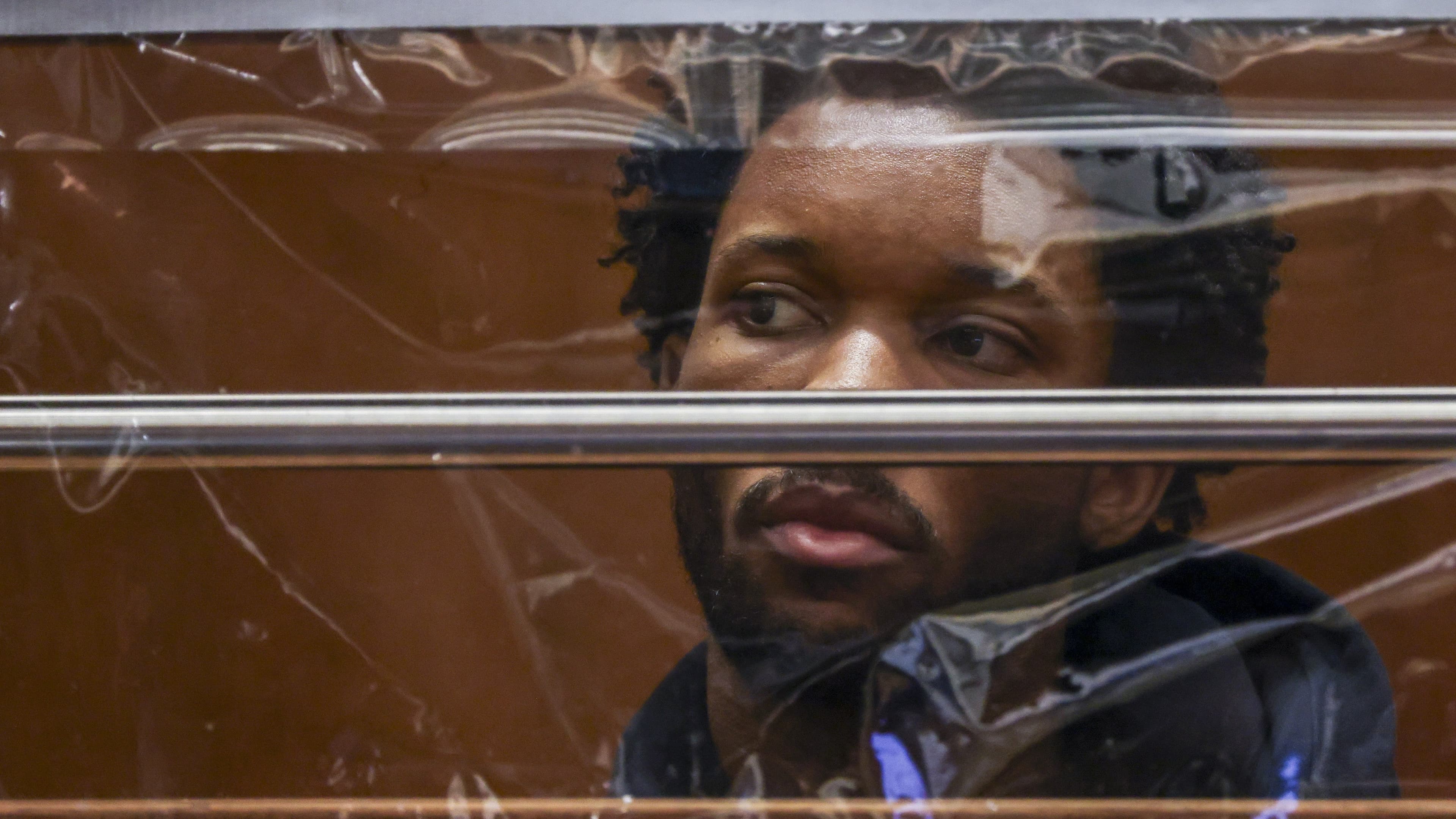
The refund decision is tied directly to the real-world controversy surrounding singer D4vd (real name David Anthony Burke). He has been charged with first-degree murder with special circumstances, continuous sexual abuse of a child under 14, and mutilating human remains. He has pleaded not guilty and maintains his innocence.
For a game like Fortnite, which has spent years turning pop culture into a rotating storefront of skins, emotes, and music, this is the nightmare scenario: a collaboration that was once “just content” becomes a moral and reputational landmine overnight.
And players have been clear about the core issue here: for many, it’s not about the value of the V-Bucks. It’s about not wanting the association—about not wanting to scroll past a track, emote, or related purchase in their locker that now feels loaded.
That’s why Epic’s “refund on request” approach is such a calculated move. It avoids forcibly removing content from players who still want it, while giving everyone else a clean exit. In a live-service ecosystem built on constant crossovers, that balance—player agency versus platform responsibility—is going to keep coming up.
What D4vd Content Was in Fortnite (And What We Know About Availability)
Fortnite’s relationship with D4vd wasn’t a single skin drop—it was a broader set of music-related content and tie-ins.
Here’s what’s been specifically identified as part of the collaboration content players may want refunded:
- Jam Tracks, including “Locked & Loaded” (described as an anthem for Fortnite)
- Another Jam Track: “What Are You Waiting For”
- A Locker Bundle sold between April 25 and May 1, 2025 that bundled some of D4vd’s favorite items (not branded as D4vd cosmetics)
There’s also mention of the Feel It emote, tied to D4vd’s song “Feel It,” and a competitive event: the D4vid Cup in August 2024, which allowed players to earn the emote before it appeared in the Item Shop.
Importantly, at least some of the Jam Tracks have not been seen in the shop since September 2025. That means a lot of the affected purchases are not “new buys”—they’re older transactions that have been sitting in lockers for months.
The Locker Bundle is especially messy, because it reportedly didn’t include uniquely branded D4vd cosmetics—just a curated set of items. Many of those items have since returned to the shop and may continue to return, since they aren’t tied to D4vd branding. That creates a practical question Epic will need to handle carefully: what exactly qualifies as “D4vd items” for refund purposes when some content is adjacent rather than explicitly labeled.
Epic hasn’t publicly broken down a definitive item list in the details currently available, so players may need to rely on the in-game purchase history and whatever Epic’s refund flow flags as eligible.
Why This Matters for Fortnite’s Live-Service Economy
This isn’t just a one-off customer service story—it’s a stress test for Fortnite’s entire collaboration machine.
Fortnite has collaborated with “hundreds” of celebrities, brands, and franchises over the years, and music has become one of its biggest pillars: emotes, in-game concerts, Fortnite Festival, the Music Pass, and Jam Tracks have turned the game into a hybrid of shooter, social platform, and digital music storefront.
That scale is exactly why this moment matters. When you build a business around cultural relevance, you also inherit cultural volatility. And unlike a limited-time marketing campaign, digital cosmetics don’t expire. They persist in lockers, in clips, in streams, and in the social identity players build around their accounts.
Epic’s decision to offer refunds—plus a dedicated self-service option—signals a few things:
- Epic recognizes the reputational risk of leaving players stuck with unwanted collaboration items.
- Epic is prioritizing player choice, rather than enforcing a universal removal.
- Epic is willing to create bespoke tooling when a situation is big enough—because “file a ticket and wait” clearly isn’t good enough at Fortnite’s scale.
There’s also an uncomfortable historical footnote here: at least one player reportedly shared an email indicating a refund request made back in September 2025 only received a response in April 2026—after more than six months. Whether that delay was coincidence or connected to the current controversy hasn’t been confirmed, but it does underline why Epic moving to “immediate self-service” is such a big deal. In a live-service game, time matters. Waiting half a year to remove something you don’t want in your locker is the opposite of responsive.
Platforms, Timing, and What Players Should Do
Fortnite is available across PC, PlayStation 5, PlayStation 4, Xbox Series X|S, Xbox One, Nintendo Switch, Nintendo Switch 2, Android, and iOS (platform availability varies by ecosystem policies, but the game is broadly cross-platform). Epic is the game’s developer and publisher.
Here’s the key timing:
- Now: Players can request refunds for D4vd items through Player Support, and Epic has confirmed those requests will be honored.
- April 28: An update is slated to add an immediate self-service refund option for the D4vd items.
If you’re a player who wants the refund, the practical move today is simple: submit the request via Player Support if you don’t want to wait for April 28. If you can wait, the self-service option should make the process faster and less dependent on support queues.
Epic hasn’t confirmed whether it will proactively message all affected purchasers in-game, so players who care should assume they’ll need to take the initiative.
What Remains Unknown
- Which specific items are eligible for the D4vd refund process (a complete official list hasn’t been publicly detailed here).
- Whether Epic will remove D4vd-related items from the shop permanently or keep them vaulted without a formal statement.
- Whether refunds will be time-limited after the April 28 self-service tool goes live.
- Whether Epic plans to remove items from lockers entirely (right now, the approach appears to be “refund on request,” not forced removal).
- How Epic will handle edge cases like the 2025 Locker Bundle, where items may not be branded but were sold as part of the collaboration context.
Fortnite’s collaboration engine is built to move fast. This is what it looks like when it has to hit the brakes—and it’s a reminder that in a game where pop culture is literally a product, the real world can crash the Item Shop at any time.