Nintendo is facing a proposed class-action lawsuit in the U.S., with two customers arguing the company shouldn’t be allowed to pocket tariff refunds after allegedly passing those same tariff costs onto consumers through higher prices. The case lands at a volatile moment for Nintendo’s hardware business—right as Switch 2 pricing, accessories, and broader supply-chain pressures are already under a microscope. And if this suit goes anywhere, it could ripple far beyond Nintendo, setting expectations for how major importers handle tariff refunds in the gaming industry.
What’s Happening: Two Customers File a Proposed Class Action Against Nintendo
Two individuals—Gregory Hoffert (California) and Prashant Sharan (Washington)—have filed a proposed class-action lawsuit against Nintendo in the U.S. District Court for the Western District of Washington, the federal court that covers the region where Nintendo of America is headquartered.
At the heart of the complaint is a simple, combustible allegation: Nintendo raised prices in response to tariffs, meaning consumers effectively paid those tariff costs at checkout. Now that refunds may be available to importers, the plaintiffs argue Nintendo shouldn’t be able to collect twice—once from customers via higher prices, and again from the federal government via tariff refunds (potentially including interest).
The suit seeks to represent U.S. purchasers of Nintendo products affected by the tariffs, particularly goods bought between February 1, 2025 and February 24, 2026.
One quoted passage from the filing frames the argument bluntly: “Unless restrained by this Court, Nintendo stands to recover the same tariff payments twice— once from consumers through higher prices and again from the federal government through tariff refunds, including interest paid by the government on those funds.”
The Tariff Backdrop: Supreme Court Ruling Opens the Door to Massive Refunds
This lawsuit doesn’t exist in a vacuum—it’s a direct aftershock of a major legal reversal in U.S. trade policy.
On February 20, the U.S. Supreme Court struck down tariffs imposed under President Donald Trump, ruling in a 6–3 decision that the tariffs were unconstitutional and that Trump lacked jurisdiction to enforce them. The ruling affects goods imported from countries including China and Vietnam, which are significant to global electronics manufacturing.
The numbers involved are staggering. Reporting around the case notes that over $160 billion in tariff refunds may now be claimable by affected businesses.
In other words: this isn’t just about a couple of controllers. It’s about whether companies that raised prices during the tariff period should be expected—or compelled—to unwind some of that burden once refunds are issued.
Why Nintendo Specifically? Switch 2 Accessories, Switch 1 Pricing, and the “Pass-Through” Argument
The plaintiffs’ theory hinges on “pass-through” economics: importers pay tariffs at the border, but then raise retail prices so consumers ultimately cover the cost. If that’s true, the argument goes, the importer didn’t truly “eat” the tariff—customers did.
Nintendo’s pricing decisions during the tariff period are central to why it’s being targeted.
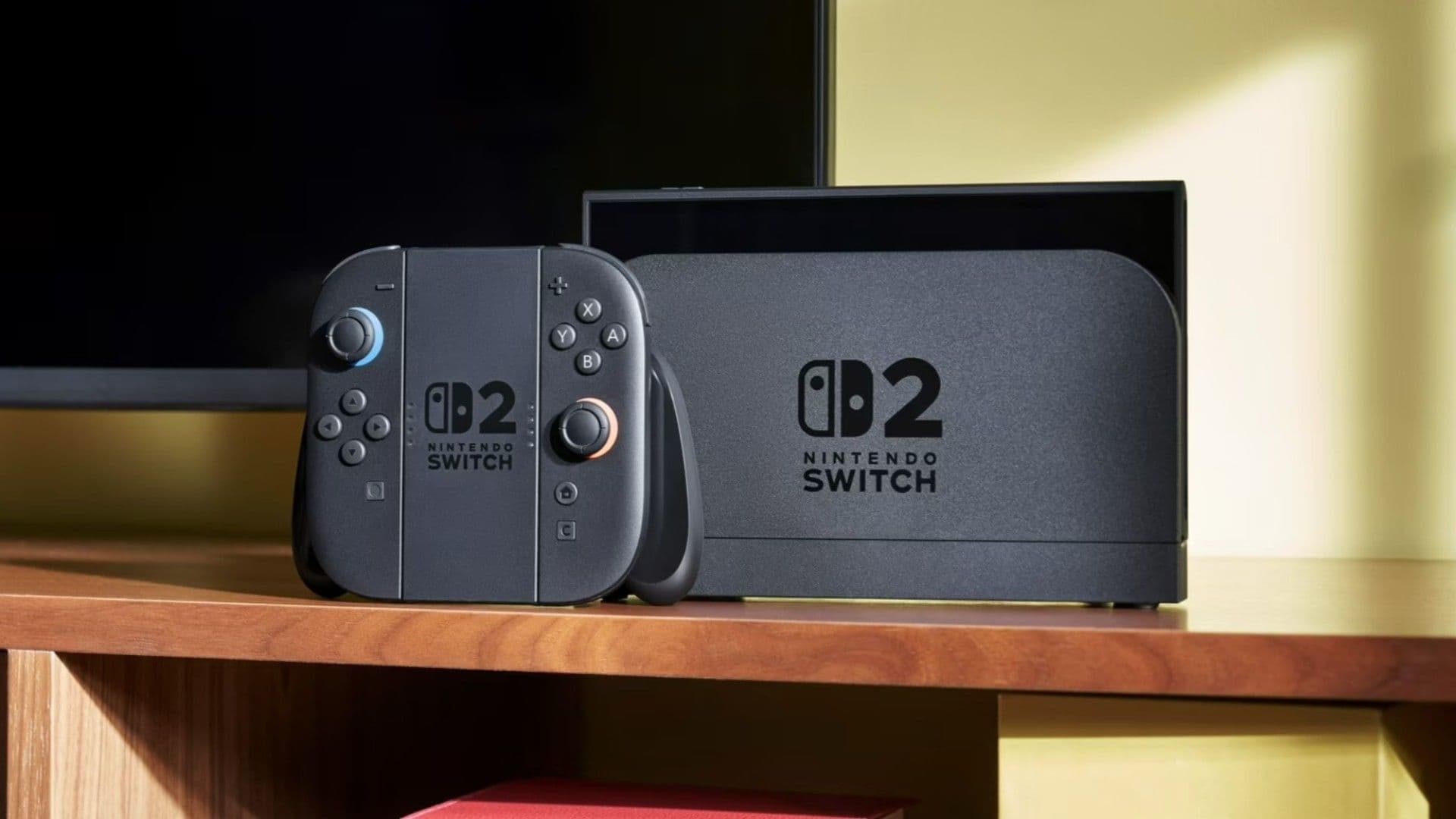
While Nintendo reportedly did not raise the price of the Switch 2 console itself, it increased the prices of multiple Switch 2 accessories, including the Switch 2 Pro Controller and others. The original Switch also saw a minor price hike tied to the tariff situation. Nintendo also delayed Switch 2 pre-orders in the U.S. for a few weeks amid tariff uncertainty before reinstating them ahead of the planned June 5, 2025 release date.
The lawsuit’s framing is essentially: if Nintendo raised accessory and hardware prices because tariffs made imports more expensive, and if Nintendo later receives refunds for those tariffs, then consumers deserve a portion of that money back.
And crucially, the complaint points out that Nintendo has not made a legally binding commitment to return tariff-related overcharges to customers.
Nintendo’s Own Tariff Refund Fight: The Company Also Went After the U.S. Government
Here’s the twist that makes this story feel uniquely 2026: Nintendo isn’t just being sued—it previously filed its own lawsuit against the U.S. government seeking tariff refunds.
Nintendo has characterized the tariffs as “unlawful” and sought refunds and interest, claiming it “suffered injury” from their implementation. That legal push has since been paused, as the U.S. government moved to establish a tariff refund system for businesses to apply through.
That pause matters, because it underscores a key point: the consumer lawsuit is, in part, an attempt to get ahead of whatever happens next. If Nintendo successfully obtains refunds through the federal process, the plaintiffs want the court to ensure consumers aren’t left out of the payout.
Why This Case Matters (Even If You Never Bought a Switch 2 Pro Controller)
It’s tempting to treat this as another day, another Nintendo lawsuit. But this one has teeth because it’s aimed at a question the games industry has largely dodged: when external costs trigger price hikes—tariffs, shipping shocks, component spikes—what happens when those costs later unwind?
If the plaintiffs’ argument gains traction, it could pressure other companies to do more than quietly absorb refunds as a balance-sheet win. It could also change how publishers and platform holders message price increases in the future. “Tariffs made us do it” becomes a much riskier line if refunds later arrive and customers start asking where their share went.
There’s also a competitive angle. If some companies voluntarily pass refunds back to customers while others don’t, consumer trust becomes a differentiator—especially in a market where hardware ecosystems are already fighting for goodwill.
The suit is also being compared to similar actions involving companies like FedEx and UPS, where plaintiffs have sought to force tariff refunds to be passed back to customers.
The Switch 2 Price Conversation Isn’t Going Away
Even beyond tariffs, Nintendo’s hardware pricing remains a live wire. Switch 2 is currently priced at $449, and there’s an additional pressure point hovering over the entire console market: a DRAM shortage crisis that has pushed up component costs. Reporting notes that Sony and Microsoft have already increased console prices amid the broader component cost situation.
Nintendo President Shuntaro Furukawa has said Nintendo is monitoring the impact of the RAM crisis closely, and he did not rule out the possibility of a Switch 2 price increase down the line.
That matters for this lawsuit in a very practical way: consumers are already primed to scrutinize every dollar attached to Switch 2—console, accessories, games, and subscriptions. A legal fight over whether Nintendo should return money to customers is landing in the middle of an unusually sensitive pricing era.
What Remains Unknown
- Whether Nintendo will actually receive tariff refunds, and if so, how much (no confirmed refund amount has been publicly detailed here).
- Whether the proposed class will be certified by the court, and what the final class definition would be.
- Which specific Nintendo products the court will treat as “affected by the tariffs” for purposes of damages and eligibility.
- Whether Nintendo will choose to voluntarily pass any refunds to customers or fight the claim outright (Nintendo has not indicated it will provide customer refunds).
- How the paused Nintendo-vs-U.S.-government action will interact with the federal refund process and the consumer lawsuit timeline.
Nintendo has built an empire on hardware and software that people love—sometimes despite Nintendo’s own worst instincts around pricing and consumer friendliness. This lawsuit is a direct challenge to a familiar corporate playbook: raise prices when costs rise, then quietly keep the upside when those costs disappear. If the courts decide consumers deserve a cut of tariff refunds, it won’t just sting Nintendo—it could rewrite expectations for how the entire games business handles the next big economic shock.