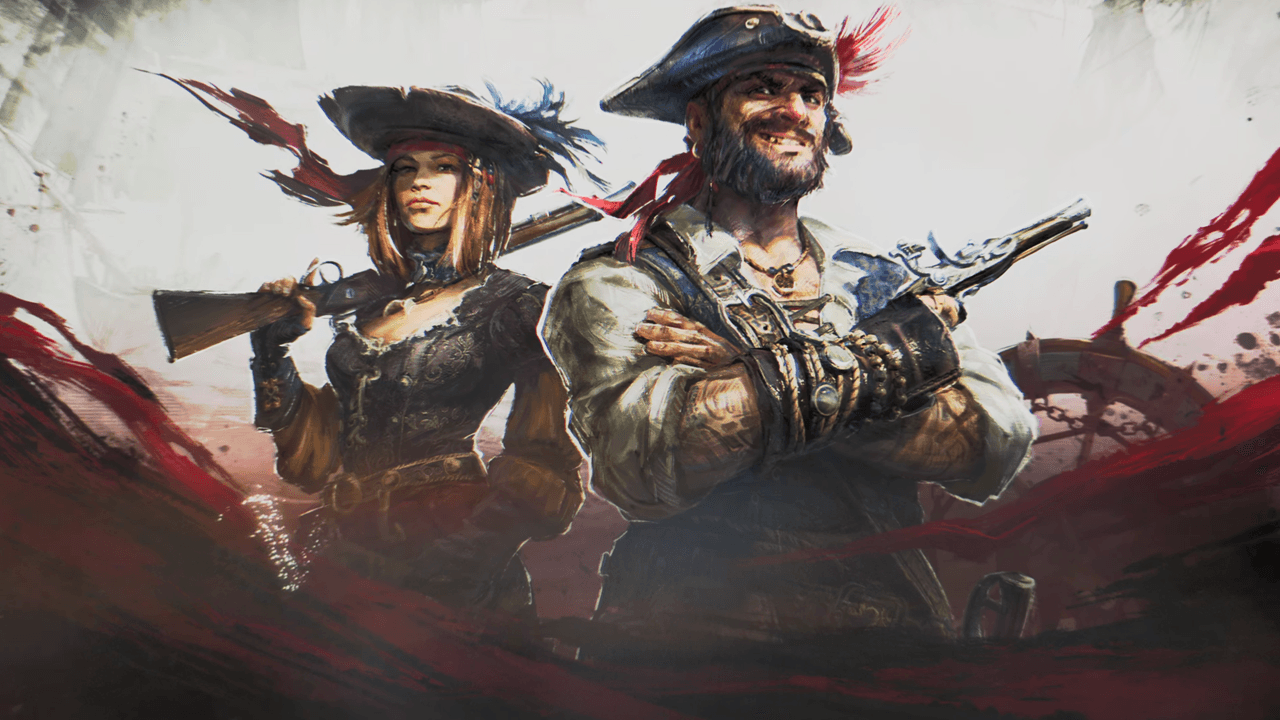
Warhorse Studios—the Czech team behind Kingdom Come: Deliverance 2—is now at the center of a fast-spreading rumour that it’s leading a major The Lord of the Rings game for Embracer Group. The chatter ties into an earlier report of a $100 million Middle-earth project with funding linked to the Abu Dhabi Investment Office (ADIO), and it’s being framed as the kind of big, mainstream open-world swing meant to go toe-to-toe with Hogwarts Legacy.
If this is real, it’s a potential seismic shift: Warhorse has built its reputation on gritty, systems-heavy historical role-playing, not blockbuster fantasy tourism. But with Embracer holding LOTR game rights and Warhorse sitting inside the same corporate umbrella, the pieces line up just enough to make this rumour hard to ignore—and impossible to fully trust until someone goes on the record.
What’s Being Claimed: Warhorse as Lead on Embracer’s Big Middle-earth Bet
The latest spark comes from comments attributed to Polish industry veteran Ryszard Chojnowski, who said on a Tolkien-focused Polish podcast that he’d heard from “credible sources” that Warhorse Studios is the studio working on Embracer’s large-scale Lord of the Rings project. The claim has been circulating via forum discussion, with the key point being not just that a LOTR game exists, but that Warhorse may be the lead studio on what’s described as a multi-studio effort.
That matters because this isn’t the first time we’ve heard about a huge Lord of the Rings game in the works under Embracer. A prior report from 2025 described an untitled project that was at least partially funded by ADIO, with $100 million said to be attached to the effort. That earlier report also suggested the deal had been in motion for a long time—talks reportedly underway as far back as 2024.
There’s also a corporate logic to the rumour. Warhorse Studios is a subsidiary of PLAION, and PLAION sits under the Embracer Group umbrella. Meanwhile, Embracer has held The Lord of the Rings video game adaptation rights since 2022. In other words: the licence holder and the rumoured developer are already in the same house.
None of this is confirmation. But it’s the kind of internal alignment that makes “impossible” become “plausible,” especially when paired with a funding story as specific as ADIO and a number as loud as $100 million.
The Shape of the Game: Open-World, Third-Person, and Aiming at Hogwarts Legacy Scale
The most concrete “design” detail attached to this rumour actually comes from the earlier 2025 reporting: the project was described as a third-person action game built to “compete with Hogwarts Legacy.” That phrasing is revealing, because it implies a very particular target—an accessible, mass-market open-world RPG/adventure experience rooted in a beloved fantasy universe, designed for scale and broad appeal.
That’s a different vibe than what Warhorse is known for.
Kingdom Come: Deliverance built its identity on grounded medieval role-play, friction-heavy systems, and a commitment to historical texture that often refuses to smooth itself out for convenience. Even if you love that approach (I do), it’s not automatically the recipe for a “Hogwarts Legacy competitor,” which lives and dies on approachability, spectacle, and the feeling of being invited into a world millions already adore.
So if Warhorse really is attached, there are two ways to read it:
- Embracer wants Warhorse’s craftsmanship and systemic depth to elevate Middle-earth beyond checklist open-world design.
- Or Warhorse is being asked to pivot—to keep the RPG credibility, but sand down the edges for a larger audience.
Either way, it’s a huge assignment. Middle-earth is not just another fantasy setting; it’s one of the most scrutinized fictional worlds in entertainment. Players will expect reverence, scale, and lore fluency—and they’ll also expect modern open-world conveniences. That tension is exactly why a “big” Lord of the Rings RPG has been so hard for the industry to land cleanly.
Why Warhorse Makes Sense (and Why It’s Still Complicated)
On paper, Warhorse is an intriguing candidate for Lord of the Rings for one simple reason: it understands how to make a world feel lived-in. The studio’s reputation comes from building believable spaces, social structures, and role-playing texture—exactly the stuff Middle-earth needs if you’re going beyond a linear action campaign.
But the fit isn’t perfect, and the rumour arrives at a messy moment for the studio.
Warhorse has recently been pulled into controversy after a former translator, Max Hejtmánek (also referred to as Max H.), claimed he was fired and that his role would be replaced by AI-driven translation going forward. In a statement posted to Reddit and reportedly verified by moderators, he alleged he was told his position would become “obsolete,” with the studio using AI for “all translations” to “save finances” and “make the company more effective.” He described being blindsided and said he felt “incredibly betrayed.”
Warhorse has not publicly confirmed or denied the underlying AI claim. In a statement given via a spokesperson, the studio said: “Warhorse Studios has always been a talent-driven studio, and we deeply value the people who shape our work. Out of respect for the privacy and dignity of both current and former colleagues, we will not discuss individual situations publicly.”
That’s a carefully lawyered response—and it leaves the core question hanging: is Warhorse moving toward AI translation at scale, or not?
Why does that matter for a Lord of the Rings RPG? Because Middle-earth is language. It’s names, poetry, tone, cultural specificity, and lore precision across regions and peoples. If you’re building a global blockbuster, localisation isn’t an afterthought—it’s part of the product’s soul. Even the perception that a Tolkien game might be leaning on AI for translation is the kind of reputational landmine that can follow a project for years.
There’s another internal signal that’s fueling speculation: Warhorse has had job postings for a “mystery project” said to be built in Unreal Engine. That’s notable because Kingdom Come: Deliverance 2 is associated with CryEngine. A shift to Unreal could indicate a new project with different technical needs—or simply a parallel production. Either way, it’s the kind of breadcrumb that rumour-watchers latch onto.
And then there’s leadership. It was recently announced that Daniel Vávra is leaving development of future games at Warhorse to focus on an in-the-works movie adaptation. That doesn’t confirm anything about Lord of the Rings, but it does add to the sense that Warhorse is entering a new phase—potentially with a different creative structure than the one that defined Kingdom Come.
The Bigger Context: Embracer, ADIO Funding, and the “Revenge” Mystery
The rumour isn’t just “Warhorse might make LOTR.” It’s “Warhorse might be the studio behind Embracer’s huge funded LOTR push.”
That’s important because Embracer’s Lord of the Rings plans have been watched closely ever since it acquired the rights in 2022—and even more so as the company has faced intense scrutiny for restructuring, cancellations, and cost-cutting across its portfolio. A $100 million Middle-earth project partially funded by ADIO is exactly the kind of high-profile, high-stakes bet that would be designed to anchor confidence: a globally recognized IP, a blockbuster budget, and a clear mainstream target.
One wrinkle: the earlier report connected the project to Embracer Group and a name referenced as “Revenge.” That name has been interpreted by some as a codename, but no official clarification has been made. What we can say is that Warhorse’s corporate ties (Warhorse → PLAION → Embracer) make it a plausible candidate for any internal or partnered LOTR initiative under Embracer’s umbrella.
Embracer, for its part, has not confirmed the project. A statement attributed to the company on the topic of the rumour was blunt: as “a general rule, we do not comment on rumors or speculation.”
So we’re left where big licensing rumours often live: a credible-sounding funding story, a plausible corporate chain, a named industry veteran claiming “credible sources,” and absolutely no official announcement.
Why Fans Should Care: This Could Be the LOTR Game People Have Been Waiting For
The Lord of the Rings has had plenty of games, but very few that truly chase the “live in Middle-earth” fantasy at modern AAA scale.
We’ve had:
- Middle-earth: Shadow of Mordor and Shadow of War, open-world games with the celebrated Nemesis system, but also games that aren’t trying to be a broad, lore-forward “Hogwarts Legacy-style” Middle-earth RPG.
- The Lord of the Rings Online (2007), arguably the closest thing to “big Middle-earth” for a long time, but it’s an MMO from a different era with a different set of expectations.
- More recent, more focused projects like The Lord of the Rings: Return to Moria (2023), a co-op experience set in Khazad-dûm.
- And Tales of the Shire: A Lord of the Rings Game, which launched in July 2025 on PC, PS5, Xbox Series X/S, and Nintendo Switch, intentionally going cozy rather than epic.
So yes—there’s a lane wide open for a modern, big-budget, open-world Lord of the Rings RPG that treats Middle-earth like a place you inhabit, not just a backdrop you sprint through.
If Warhorse is truly involved, the upside is obvious: a studio that obsesses over immersion and role-playing detail getting handed one of the richest fantasy worlds ever written. The risk is just as obvious: the pressure to broaden appeal could sand down what makes Warhorse special, while the weight of Tolkien expectations could punish any misstep—especially around writing, lore, and localisation.
What Remains Unknown
- No official announcement has been made by Warhorse Studios, Embracer Group, or PLAION confirming a Lord of the Rings project.
- The game’s title, platforms, release window, and pricing have not been confirmed.
- It’s unclear whether the project is truly a third-person action open-world RPG intended to compete with Hogwarts Legacy, or whether that description reflects an early target that could change.
- The exact role of ADIO funding (and whether the $100 million figure is budget, investment, or a specific funding tranche) has not been detailed publicly.
- The identity and meaning of “Revenge”—previously linked to the project—has not been officially clarified.
- Warhorse has not confirmed whether it is using AI for “all translations,” despite the former translator’s allegations and the studio’s general statement about valuing talent.
If this rumour is true, it’s the kind of project that won’t stay hidden forever—licences this big don’t remain whispers for long once production ramps into reveal territory. Until then, treat it as what it is: a compelling thread connecting Embracer’s Middle-earth ambitions to one of Europe’s most distinctive RPG studios, at a moment when Warhorse is both riding high from Kingdom Come: Deliverance 2 and navigating very public scrutiny about how it treats the human craft behind its games.