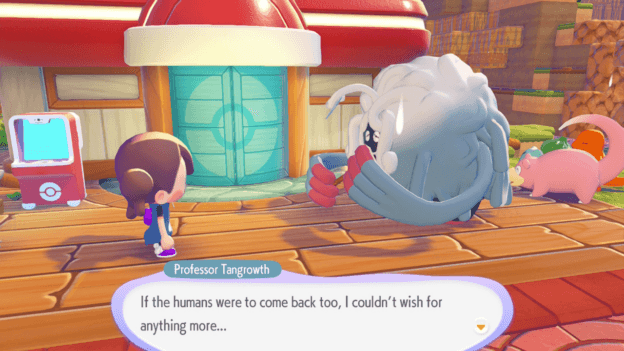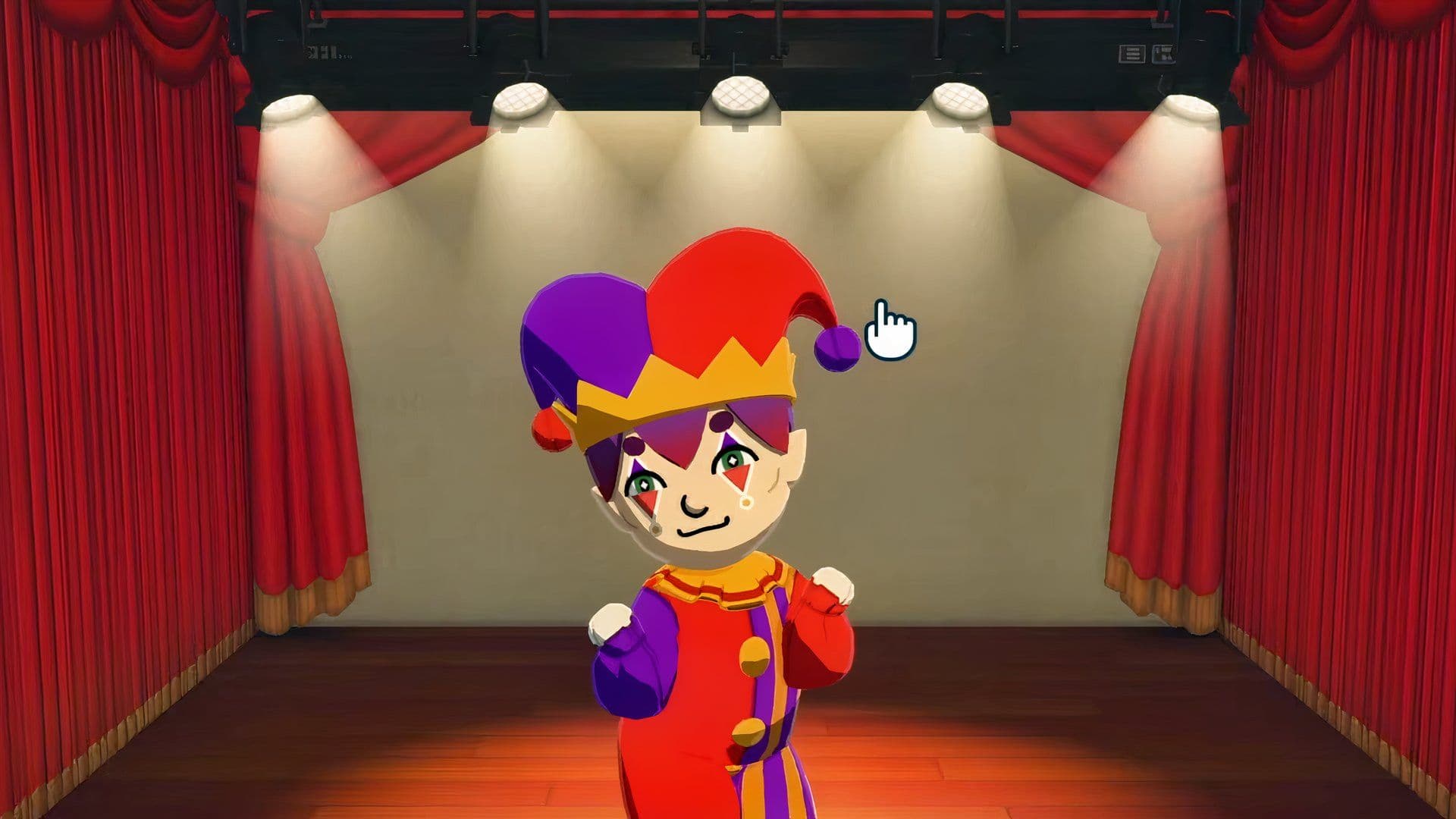
Tomodachi Life: Living the Dream is finally here on Nintendo Switch (out April 16, 2026), and critics largely agree on two things: it’s still a uniquely hilarious, creativity-fueled Mii soap opera… and Nintendo has kneecapped its most modern superpower by locking down sharing and online connectivity. Review scores are landing in the “good, not great” zone—roughly 77–78 on Metacritic and a Top Critic Average of 78 on OpenCritic—with praise for deeper customization and comedy, and frustration over repetition and restrictive social features.
This is a game built to generate stories. The problem is it often won’t let you easily tell them.
The Big Picture: A Cult Classic Sequel That Mostly Delivers (If You Bring the Imagination)
The Tomodachi series has always been a little hard to explain to people who haven’t fallen under its spell. It’s not a traditional life sim where you micromanage careers, furniture placement, and schedules. It’s closer to being a chaotic island “observer” with godlike hands, nudging Miis into friendships, feuds, romances, and surreal dream sequences—then laughing at the results.
That core identity is intact in Living the Dream, which is being positioned as the third Tomodachi game and only the second released outside Japan. It also arrives after a long absence: the Nintendo 3DS Tomodachi Life launched back in 2013, and this sequel hits Switch roughly 12 years later.
What’s striking in the early critical consensus is how often reviewers describe the game as a mirror. If you’re the kind of player who loves building a cast—friends, family, celebrities, fictional characters, and cursed original creations—and then inventing little narratives in your head, this is catnip. If you want the game to constantly push you forward with structured objectives and meaningful progression, it can feel thin.
That “you get what you give” theme comes up repeatedly. One review sums it up bluntly: if you don’t have the time or creativity to engineer dynamics between dozens of Miis, the game’s missing social features can’t act as a safety net the way they did on 3DS.
What Critics Loved: Customization Goes Hard, and the Comedy Still Hits
The most consistent praise across reviews is aimed squarely at customization—not just making Miis, but making everything around them feel personal.
Multiple critics highlight how easy it is to populate an island with a ridiculous mix: family members, pets, celebrities, and pop-culture icons. That’s always been Tomodachi’s secret sauce: the game’s writing and systems are funny, but the real punchline is your cast.
A deeper Mii creator (and more tools to get weird with it)
Reviewers repeatedly call out expanded creation options, including a drawing tool that helps fill gaps when the editor doesn’t have the exact piece you need. The result is a game that can support both meticulous character artists and players who just want to slap together a nightmare gremlin and see what happens.
Nintendo Life’s review leans into how quickly the humor can land, especially once you start messing with voice filters and the game’s general willingness to turn your island into an absurdist sitcom. Game Informer similarly praises how the text-to-voice dialogue system brings personalities to life in a way that’s “slightly unsettling but undeniably hilarious.”
The “civilization simulator” angle is real
IGN’s Logan Plant frames Living the Dream as “a deeply funny and equally personal civilization simulator fueled by your creativity,” and that’s a smart way to describe it. You’re not playing as a single character. You’re curating a tiny society and watching it mutate.
That’s also why the best anecdotes coming out of reviews sound like fever dreams. Giant Bomb’s Dan Ryckert describes daily life on his “Kayfabe Island” in a way that perfectly captures Tomodachi’s appeal: a father failing to court Monica Bellucci, Sarah Connor living with Dracula, a sister marrying Stone Cold Steve Austin, and a sentient piece of pizza biting people—just another day in paradise.
This is the magic: Living the Dream can generate stories that feel bespoke, even when the underlying systems are simple.
Relationships and identity options get a meaningful upgrade
Nintendo Life’s review also points to expanded relationship flexibility—no gender restrictions on relationships, the presence of a non-binary gender option, pronoun choices, and fewer clothing restrictions. That matters in a game about self-expression, and it’s one of the clearest areas where the sequel is pushing forward rather than just polishing the old formula.
The Biggest Complaint: Nintendo’s Sharing Restrictions Undercut a Game That Begs to Go Viral
If there’s one throughline that dominates the criticism, it’s this: Tomodachi Life: Living the Dream is “screenshot-able” by nature, but Nintendo has made sharing a hassle—or outright blocked it in key ways.
This isn’t a minor nitpick. It’s foundational. Tomodachi is the kind of game that thrives on community creativity: swapping Miis, showing off cursed face paint, trading outfits, and posting clips of unhinged conversations. On 3DS, that culture was supercharged by QR codes that let players share Miis online with ease.
In Living the Dream, that friction is back with a vengeance.
Mii sharing is limited to local wireless
IGN’s review calls out that sharing Miis is restricted to local wireless, meaning you can only send a character to someone physically nearby. That’s a huge downgrade from the 3DS era’s QR-code convenience, and it’s exactly the kind of decision that makes a modern social sim feel strangely isolated.
Nintendo Life echoes the frustration, calling it “beyond frustrating” that there’s essentially no way to directly share Miis or creations online—even with friends.
Captures and clips are blocked, and exporting is clunky
Game Informer goes further, stating Nintendo blocks players from sharing screenshots and videos using the Switch’s native capture functionality. Siliconera similarly complains that you can’t share moments like other games and describes a workaround that involves using a USB-C cord, going into Data Management, and moving files to a computer.
That’s… not how viral games live in 2026.
And the irony is painful: reviewers understand why Nintendo might be cautious. Game Informer notes the game doesn’t censor custom text fields, and Nintendo may be worried about inappropriate content spreading. GameRant also mentions the lack of a profanity filter as a likely factor. But critics keep coming back to the same point: there has to be a better solution than locking down the very thing the game is best at—creating shareable chaos.
IGN’s verdict captures the mood: the restrictions “put a dark cloud over its otherwise delightful paradise.”
Repetition, Progression, and the “Short Session” Ceiling
The other major critique is more traditional: repetition.
Tomodachi has always been a game you check in on—more like a daily ritual than a weekend binge. Several reviews describe a rhythm of feeding Miis, solving their little problems, playing microgames, and nudging relationships along. That loop can be comforting. It can also start to feel like you’re watching the same skit with different actors.
Nintendo Life says the game starts as one of the funniest experiences they’ve played, but after around 10 hours, the novelty of the hijinks begins to wear thin as scenarios repeat. Game Informer similarly notes that while it still surprised and delighted them even 30 hours in, repeated situations quickly became eye-roll material.
TheGamer’s Jade King praises the “bizarre sense of humor” and detailed creation tools, but criticizes an “underwhelming” progression system and repetitive dialogue. Meanwhile, ScreenRant pushes back a bit, saying they saw very few repeated dialogue situations even after weeks—an interesting split that suggests repetition may depend heavily on how many Miis you create, how densely you populate the island, and how you engage with the customization systems.
Minigames: fun bursts, but not the main course
Game Informer describes the microgames as “microdoses of fun” with solid rewards, but not something to “hang your hat on.” Siliconera gets more specific, calling out frustrations with certain minigames—especially a multi-stage proposal scenario that can feel punishing, leaving a Mii depressed in-game if you fail.
In other words: the minigames are seasoning, not substance. If you’re here for deep mechanics, critics repeatedly suggest you’ll bounce off.
Scores and Standout Quotes: Where Reviews Landed
The overall critical reception is positive, but tempered. Here are some of the notable published scores and sentiments highlighted across the roundup coverage:
- TheGamer — 8/10: calls it “a bizarre delight with unlimited potential,” but warns it “surrenders to repetition far sooner” than desired, and asks players to dig out the brilliance themselves.
- ScreenRant — 8/10: says it’s “absolutely worth the wait,” praising how few repeated dialogue situations they encountered and how easy it is to get invested.
- IGN — 7/10: praises it as “deeply funny” and personal, but says “extremely restrictive sharing capabilities” are an “enormous downgrade.”
- Game Informer — 7/10: loves the weirdness and personalization, but argues removing meaningful social elements creates a “massive void” in what should be one of Nintendo’s most viral games.
- Nintendo Life — 7/10: calls it “the strangest thing you’ll play from Nintendo,” praising laughs and creativity but criticizing repetition and lack of sharing.
- Giant Bomb — 3.5/5 (as listed in roundup coverage): celebrates it as absurdist comedy and a reliable daily laugh, even if it’s not mechanically deep.
On the aggregate side, coverage cites 77–78 on Metacritic (with different counts of reviews at different times) and an OpenCritic Top Critic Average of 78, with 83% Critics Recommend reported in one roundup.
Release Details: Platforms, Rating, and What You’re Actually Buying
Tomodachi Life: Living the Dream launches April 16, 2026 on Nintendo Switch. It’s developed and published by Nintendo, rated ESRB Everyone for Comic Mischief and Mild Fantasy Violence, and it’s a single-player life simulation.
A free demo has been available since late March, and multiple reviews reference players already showing off creations from the demo period.
Nintendo Life’s review also notes the game looks great on both Switch 1 and Switch 2, with Switch 2 getting a resolution boost, though they report it runs at 30fps and lacks Mouse Mode implementation.
Why This One Matters: A Late-Gen Switch Game With a Very Nintendo Problem
There’s a bigger story here than “reviews are decent.”
Living the Dream is arriving as one of Nintendo’s major late-era Switch releases—described in coverage as potentially among the last big titles for the original Switch hardware. That makes its design choices feel even more telling. Nintendo has built a game that seems tailor-made for the modern social media ecosystem, then treated that ecosystem like a threat instead of an amplifier.
And that’s the tragedy: Tomodachi doesn’t need to be mechanically deep to be culturally huge. It needs frictionless sharing. It needs the ability to pass Miis around like memes. It needs the clip button to work when your island produces a once-in-a-lifetime line of dialogue.
Critics aren’t asking for the series to become something it’s not. They’re asking Nintendo to let Tomodachi be what it naturally wants to be in 2026: a community-driven comedy generator.
What Remains Unknown
- Whether Nintendo will patch or loosen sharing restrictions post-launch (no official announcement has been made).
- Whether a Switch 2-specific update is planned to address performance or add features like Mouse Mode (speculation exists, but nothing has been confirmed).
- Whether Nintendo will add any official online Mii sharing method comparable to 3DS QR codes (currently limited to local wireless).
- How much long-term variety the full release will reveal for players who heavily populate islands and engage with the full customization suite—review impressions vary on repetition.