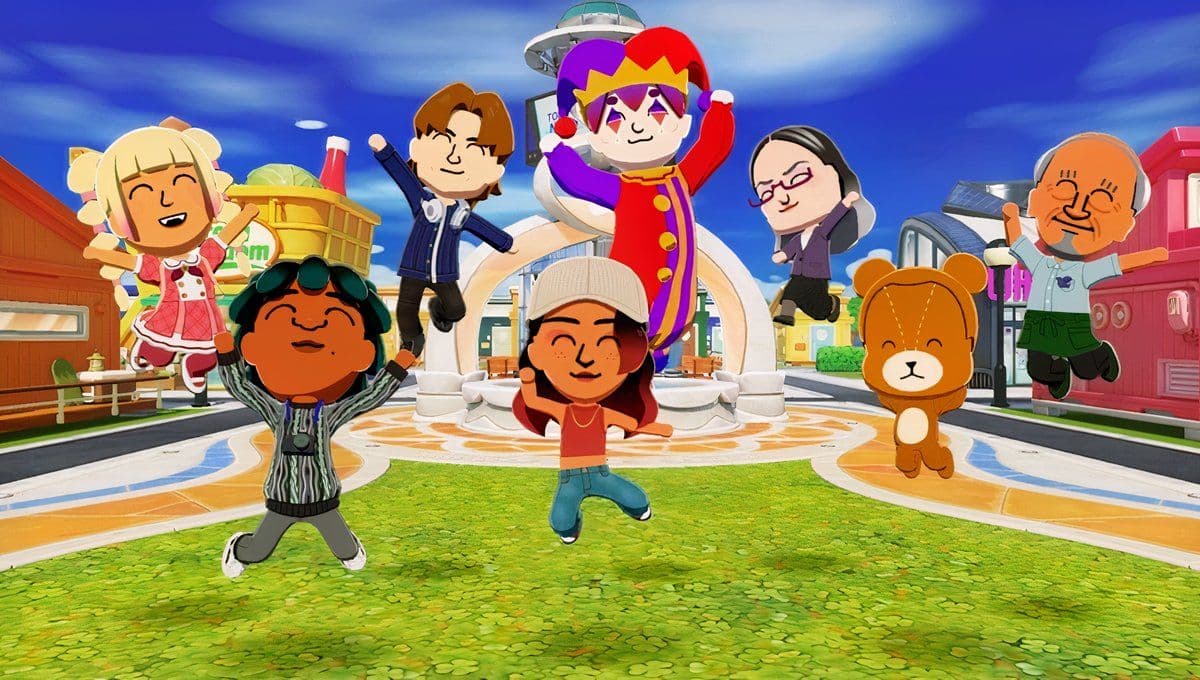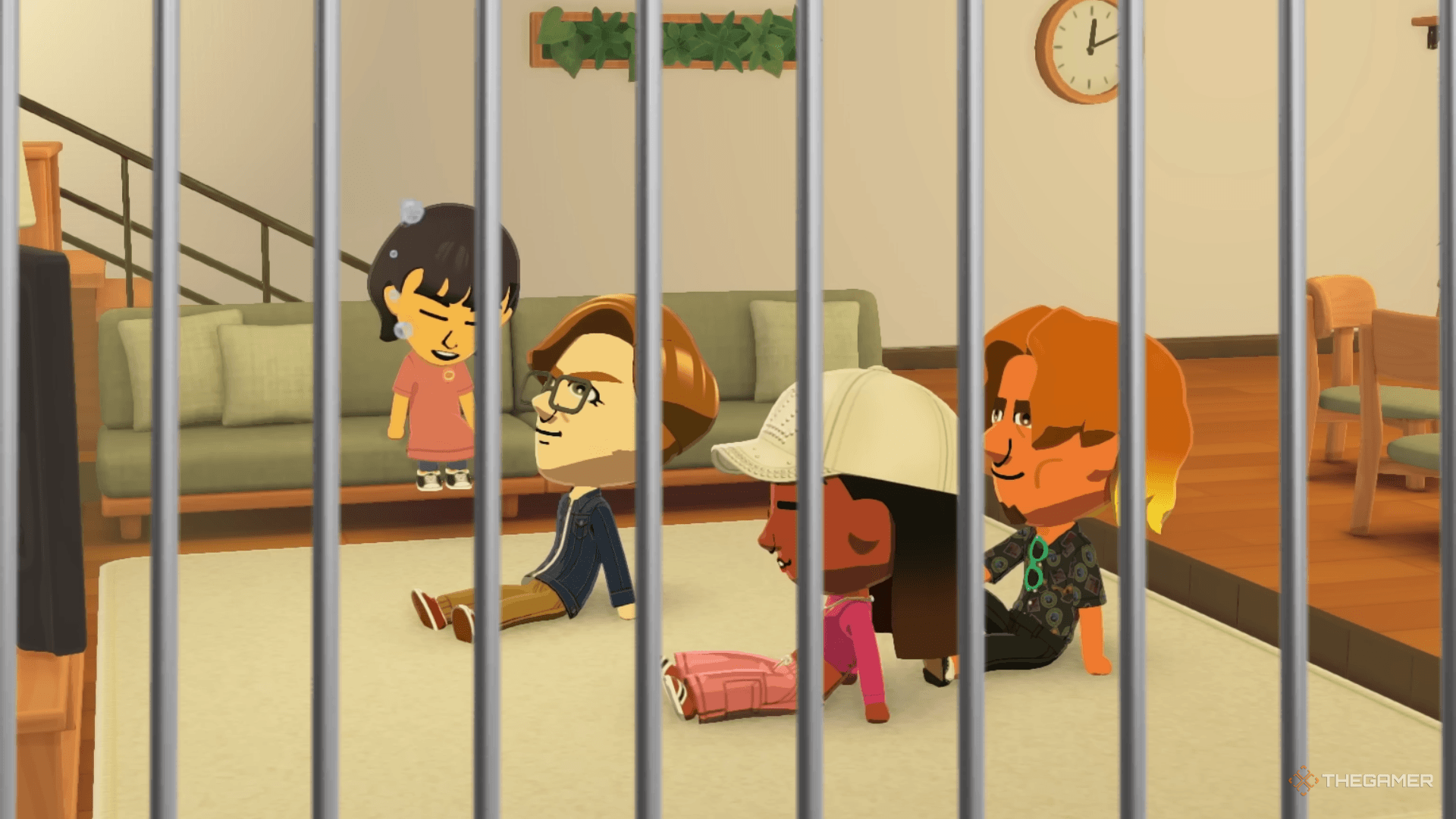
Nintendo has finally unleashed a playable demo for Tomodachi Life: Living The Dream on Nintendo Switch—then promptly slams the door shut behind you. Players are discovering that once you hit the demo’s endpoint, your islanders effectively get placed on “house arrest,” stuck inside their homes until the full game launches on April 16, 2026.
It’s a hilariously on-brand twist for a series built on chaotic little social experiments… but it’s also a very deliberate way to keep the internet hungry for more, especially now that the demo is already going viral for another reason: it appears to have no profanity filter.
What’s in the “Welcome Version” demo—and what it’s for
The demo, officially titled the “Welcome Version”, is available now on the Nintendo eShop for Nintendo Switch. It’s designed as a starter slice of the full life sim, letting you begin building your island community and—crucially—carry that progress forward.
Nintendo has confirmed that save data transfers to the full version when Tomodachi Life: Living The Dream releases worldwide on April 16, 2026. That’s a big deal, because it turns the demo into more than a disposable teaser; it’s effectively your opening hours, with a hard stop.
There are a couple of key limits and incentives baked into this version:
- You can create up to three Miis in the demo.
- Finishing the demo grants a hamster costume that can be used in the full game.
- The demo release also arrived alongside a new overview trailer that recaps features and highlights what’s new.
Nintendo is positioning this as a cozy on-ramp—an easy “try it, keep your progress, come back for the full thing” pitch. And in a vacuum, that’s smart. Where it gets spicy is how the demo decides you’re “done.”
The twist: finish the demo, and your Miis get “house arrested”
Here’s the part players are warning each other about: once you complete the demo’s final mission—dressing up a single Mii—your islanders return to their houses and stay there.
You can still do some light interaction (players report you’re still able to buy clothes), but the island’s living, breathing social machine basically stops. Your Miis are, for all practical purposes, locked up until the full game releases.
That’s a wild choice for a sandboxy life sim, where “finishing” is already a fuzzy concept. But it’s also a very Nintendo solution to a very Nintendo problem: how do you let people taste the toy without letting them live in it for weeks?
Players are already trading “how to keep the demo going” advice, including tactics like:
- Not creating a third Mii
- Not giving clothing to a Mii once the clothing store is unlocked
- Downloading and playing the demo on a different Nintendo account (with a fresh set of Miis)
It’s the kind of community workaround culture that only happens when a game has real pent-up demand—and Living The Dream absolutely does. This is the first new Tomodachi entry in over a decade, following Tomodachi Collection (Japan-only on DS) and Tomodachi Life (3DS, worldwide in 2014). People have been waiting a long time to let these weird little digital gremlins loose again.
And Nintendo, apparently, is fine letting you start the party… as long as they can shut it down right on schedule.
Why the demo is already going viral: no swear filter, “cursed” conversations, and limited sharing
If the “house arrest” ending is the demo’s punchline, the setup is what’s currently lighting up social feeds: players have discovered they can make Miis swear. Multiple outlets and staff tests indicate the demo appears to have no profanity filter, leading to exactly the kind of “cursed conversations” you’d expect when you give the internet a text box and a cast of cartoonish avatars.
The comedic edge is amplified by the series’ signature delivery: Mii dialogue is spoken via customizable text-to-speech voices, meaning players can pair the most unhinged lines imaginable with the squeakiest, most innocent vocal tone. That contrast is basically a meme generator.
What makes this especially interesting is the context around sharing. Nintendo has been unusually restrictive about image and video sharing for this game compared to what players have come to expect from modern social sims. That’s caused confusion and frustration—because a big part of the Tomodachi appeal is showing off the emergent nonsense your island produces.
At the same time, the game does include local sharing features (Miis and custom items can be shared locally), and it’s been suggested that the lack of online sharing may be part of why Nintendo is less concerned about policing language in the first place. The result is a strange push-pull: the game is generating viral moments, but the platform holder is also trying to keep a lid on how easily those moments spread.
And then there’s the demo’s hard stop. If you want a recipe for “everyone talk about this for 48 hours,” it’s: let players create chaos, let it go viral, then lock the toybox until launch.
Mission accomplished.
Major features Nintendo is spotlighting ahead of launch
Alongside the demo, Nintendo’s latest overview trailer (and the surrounding coverage) puts a spotlight on what Tomodachi Life: Living The Dream is bringing to the table—both returning staples and meaningful upgrades.
Here are some of the notable features that have been detailed:
- Mii creation with two approaches: a guided “Get help” option and a “From scratch” option
- A new face paint feature using stamps or drawing to further edit Miis
- Solving Mii problems (a core loop of the series)
- Clothing and house customization
- Relationship building between Miis, including friendship, marriage, and children
- A big quality-of-life change: players can now manually introduce Miis, rather than waiting for them to randomly ask to meet
- Shops and broader item/building customization
- Island customization (a major expansion for the series)
- Happiness level-up gifts
- Miis living together
- Local wireless features and Mii/custom item sharing
Two points stand out to me here.
First, the face paint/drawing tools sound like the kind of feature that will redefine what players can do with Miis—especially for anyone who spent time with Miitopia’s makeup system on Switch. Being able to draw directly (rather than “building” faces out of layered shapes) is the difference between “close enough” and “I made an exact replica of a niche character at 2 a.m.”
Second, island customization is a clear nod to the post-Animal Crossing: New Horizons world. Nintendo knows players now expect to shape the space, not just manage the people inside it. For a series that thrives on emergent comedy, giving players more control over the stage is only going to make the stories wilder.
One returning-feature absence is also being watched closely: the Concert Hall from the 3DS game hasn’t been shown, and fans are nervous it may not make the cut. With launch less than a month away, that’s a reasonable worry—because Nintendo typically isn’t shy about showing off crowd-pleasers when they’re in.
Release details: platform, date, and Switch 2 situation
Tomodachi Life: Living The Dream launches April 16, 2026, developed and published by Nintendo, for Nintendo Switch.
One important clarification for anyone planning their 2026 hardware upgrades: a native Nintendo Switch 2 version has not been announced. The game is being positioned as a single Switch release that will run across both systems, without unique boosts confirmed.
That’s not necessarily a problem—Tomodachi has never been about pushing pixels—but it does set expectations. If you were hoping for a “Switch 2 Edition” with upgraded visuals or performance, there’s currently no indication that’s happening.
What Remains Unknown
Even with the demo out and a feature overview circulating, there are still some meaningful open questions:
- How extensive are the image/video sharing restrictions in the full release, and what exact tools will players have to export or share content?
- Will the Concert Hall (a fan-favorite feature from Tomodachi Life on 3DS) return, or has it been cut?
- How long is the Welcome Version intended to last for players who avoid triggering the final mission—and are there other hidden “end conditions”?
- Beyond “works across both machines,” what will performance look like on Switch vs. Switch 2, and will any enhancements be patched in later?
Nintendo has done the hard part: it got Tomodachi Life back in the conversation, and the demo is doing exactly what a demo should—creating stories. The only question now is whether Nintendo’s tight grip on sharing and its oddly punitive demo endpoint will feel like playful teasing… or like the company putting its weirdest, funniest game in a padded room.