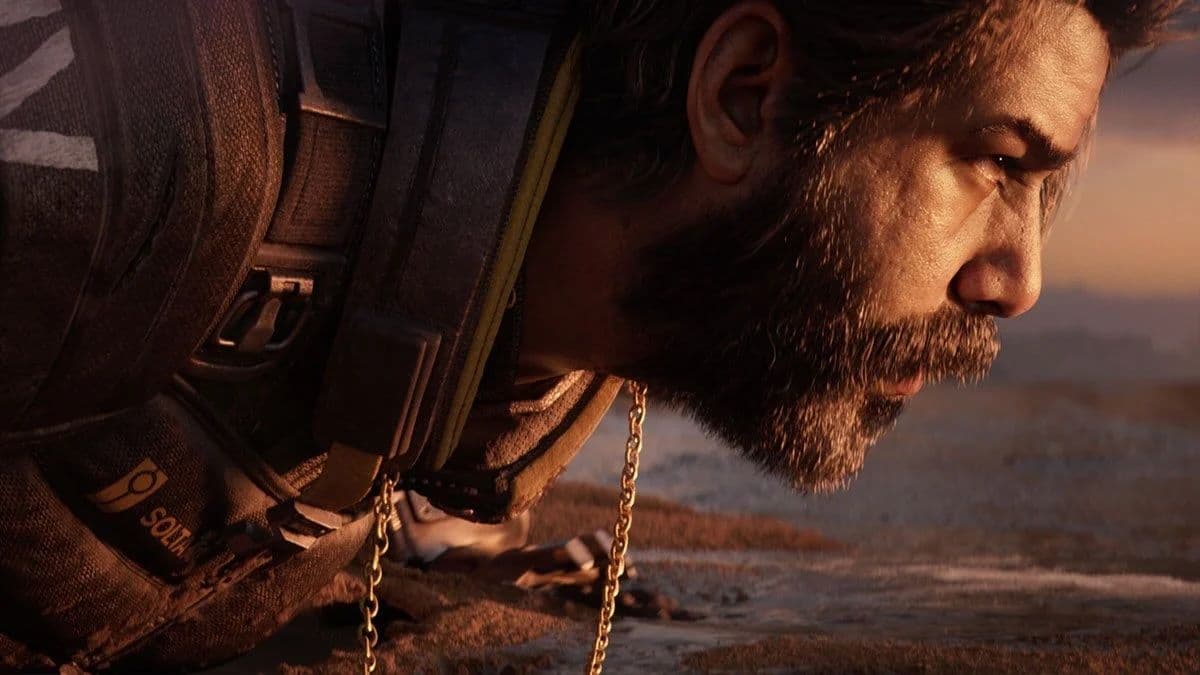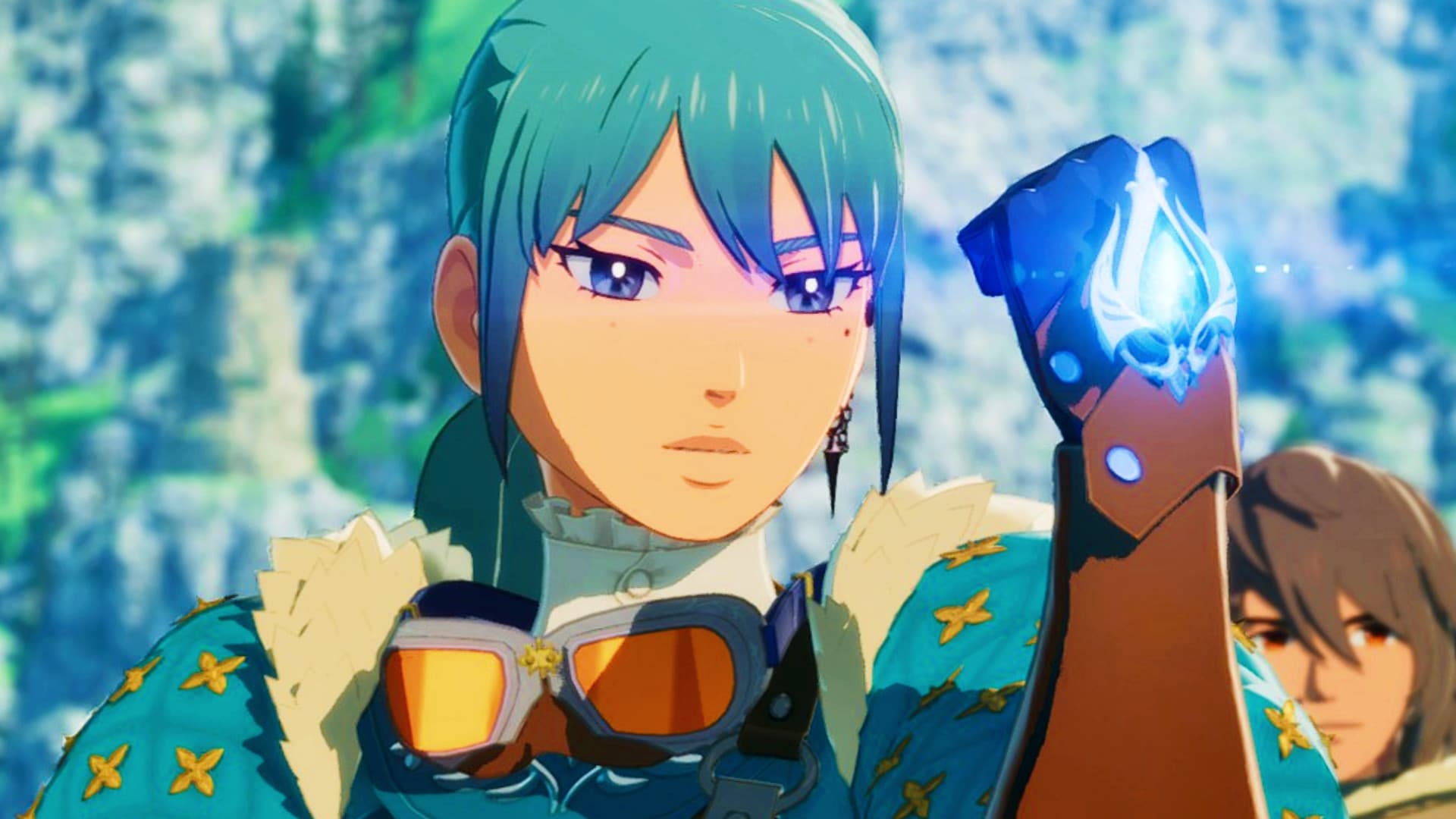
Monster Hunter Stories 3: Twisted Reflection is landing in a crowded March release slate, but early reviews and final impressions paint a consistent picture: Capcom’s monster-taming RPG spin-off has grown into a bigger, brighter, more cinematic adventure—one that leans into hope and restoration even as it opens on political tension, ecological collapse, and the threat of war. Across coverage from outlets including PCGamesN, Push Square, Nintendo Life, Siliconera, PC Gamer, GameSpot, and IGN, the throughline is clear: Stories 3 doubles down on its turn-based formula while expanding its scope with open-zone exploration, deeper buildcrafting, and a conservation-driven ecosystem loop.
It matters because Monster Hunter Stories 3 isn’t just another side project anymore. Reviewers describe it as a potential breakout moment for the spin-off series, with Capcom scaling it up into a “big budget” adventure—while still keeping the approachable “collect, hatch, train” rhythm that defines Stories.
What We Know So Far: A Standalone JRPG With War at the Edges—and Hope at the Center
Multiple write-ups agree that Monster Hunter Stories 3: Twisted Reflection is structured as a standalone tale that doesn’t require prior knowledge of earlier entries. PCGamesN explicitly calls it “a great jumping on point” that “doesn’t assume prior knowledge,” while Nintendo Life similarly says newcomers can jump in with confidence, noting there are nods for long-term fans but onboarding is designed to accommodate new players.
The setup, however, isn’t lightweight on paper. PCGamesN describes an opening framed by advisors “fanning the flames of war” between neighboring regions, with Vermeil facing an unprecedented climate crisis that has devastated food reserves and pushed people toward starvation. Push Square echoes the political tension between powerful kingdoms and adds that the cast is, for the first time in the series, largely made up of (young) adults—contributing to a tone it calls “arguably… more mature.”
Despite that, PCGamesN’s central takeaway is that Stories 3 isn’t aiming to be a grim mirror of real-world anxieties. Instead, it’s “a tale of hope and restoration,” driven by “bold rebels and the plucky younger generation,” with a warm, optimistic JRPG vibe it compares to the charm of Dragon Quest. Nintendo Life lands in a similar place: heavy themes like ecological preservation and warring nations are present, but the game balances them with levity and optimism.
The player character is consistently described across outlets as a Prince or Princess of Azuria, an established Rider partnered with a Rathalos. Push Square frames the protagonist as the heir to the throne leading the kingdom’s monster-riding Ranger unit—an elite force treated as a “trump card in warfare.” PCGamesN also positions you as the daughter of the Azurian King, told to prepare to join the fight, with your near-extinct Rathalos viewed as a valuable weapon. Siliconera adds more family context—mentioning turmoil in childhood and the queen mother leaving with a Rathalos’ twin so it couldn’t be executed—though other outlets don’t repeat those specifics.
A key narrative counterweight is Princess Eleanor of Vermeil. PCGamesN describes her as making a daring move: acting as both envoy and hostage by accompanying you, binding her own nation from applying strong-arm tactics while you work to revitalize Azuria. Siliconera also highlights Eleanor’s role in pushing toward forbidden answers—seeking a solution tied to the Northern Meridian, which is forbidden due to a covenant with the Wyverians.
Across these accounts, the crisis isn’t only political. Push Square and Siliconera both describe a creeping crystallized or crystalline encroachment/plague affecting people and monsters, while PCGamesN points to “crystallized ‘feral’ monsters” rising across the land. PC Gamer, meanwhile, is more skeptical about how effectively the story explores its war themes, arguing that the game “doesn’t have much to say about war except that it makes dinosaurs upset,” and that many stakes feel distant or underdeveloped.
Gameplay Details: Turn-Based Combat, Monster Collecting, and a Restoration Loop That Changes the World
At its core, Monster Hunter Stories 3 remains a turn-based creature-collecting RPG built from Monster Hunter’s monster roster. Push Square says it doesn’t stray far from the established formula: progression still hinges on discovering, hatching, and training monster companions, with turn-based combat at the center. Nintendo Life calls it “another excellent Monstie collecting spin-off,” emphasizing massive spaces, optional content, and a familiar loop of dens, eggs, and party-building.
Combat: Familiar Foundations, More Layers
Several outlets describe combat as a layered evolution of the series’ rock-paper-scissors system.
- PCGamesN says Stories 3 interweaves three systems: the power/speed/technique triangle, elemental strengths and weaknesses, and Monster Hunter’s damage types (blunt, slashing, piercing). The result, in its view, is easy to pick up but deeper than it first appears.
- Push Square describes a more branching approach than before, with monsters showing more varied behavior and special attacks that go beyond the basic triangle. It highlights reading enemy body language to counter appropriately and praises twisting boss battles that showcase the system.
- Nintendo Life similarly calls the combat easy to understand and complex to master, with bonuses for breaking monster parts and charge-up mechanics like riding for powerful attacks.
- Siliconera breaks down the “weapon-triangle” (speed beats power, power beats technical, technical beats speed) and also emphasizes part weaknesses to different damage types, plus changing patterns when monsters are pressured or influenced by crystals.
- PC Gamer frames combat as “three layers of simultaneous… rock-paper-scissors,” tracking elemental weaknesses, style preferences, and part damage types—then forcing you to adapt as monsters enrage or transform.
There are also consistent notes about party structure. Nintendo Life says turn-based encounters have four characters: you, a chosen human companion, and two Monsties that can be swapped depending on strategy. Siliconera similarly describes battles as your avatar and monster plus a Ranger partner and their monster, with “hearts” representing knockouts before failure.
Companions and Control: Helpful AI, But Sometimes Too Helpful
One of the most specific critiques comes from Push Square: human allies and their monster partners are autonomous, with no direct control over their turns. While the AI is described as smart and helpful, Push Square argues it can reduce player agency early on—companions can feel like they’re carrying fights thanks to scaling stats, infinite healing items, and not needing gear upgrades. It says the balance improves later as you gain stronger weapons, armor, and monsters, and endgame content forces deeper team-building.
PC Gamer also flags limitations around control, noting frustration when late-game fights demand tight responses but you can’t fully direct teammates and can only influence your monster’s actions through stamina or by charging an ultimate meter.
Exploration: Open-Zone Traversal Built Around Your Monsters
A major point of agreement is that Stories 3 is bigger in scope and more “open” than before—though outlets describe it in slightly different terms.
Push Square calls it “borderline open world,” built from “open world-style zones” filled with wandering monsters, randomly spawning dens, and secret locations. Traversal is heavily tied to your tamed monsters’ environmental actions: Rathalos can fly and glide to reach inaccessible areas; other creatures can swim or climb rocky walls.
Siliconera expands on that, saying monster abilities feel more essential than in past games: climbing walls, burrowing, swimming, blasting obstacles, and gliding all come up frequently enough that it planned teams around both exploration utility and combat.
PCGamesN also highlights the feeling of gliding across the open world on Rathalos, calling the presentation a “serious step up” and praising the picturesque detail of the world.
The Big Hook: Habitat Restoration and Conservation
If there’s one system that repeatedly stands out, it’s the game’s emphasis on restoration and ecosystems—a theme PCGamesN explicitly contrasts with the mainline series’ increased focus on fighting in Rise and Wilds.
PCGamesN describes a future where monsters like Rathalos and Rathian are nearing extinction, and the player is encouraged to find baby monsters, nurture them, and release them back into the wild to rebuild populations. It says successful restoration visibly changes the world: rare creatures become more common, grow stronger, and open up the possibility of recruiting them as allies. It also notes monsters can evolve to take on properties of local regions, creating unique variants spanning multiple elemental affinities.
Push Square calls reintroduction “one of the game’s most addictive systems,” though it warns it can become a grind as you collect eggs to release newborns. It also notes the system isn’t fully dynamic—each area has a fixed set of monsters—yet it still offers deep rewards for players who want to build the ultimate team.
PC Gamer describes the same concept as a “Habitat Restoration system” that lets you manipulate spawn rates, grant regional bonuses to monsters hatched from an area, and even create new elemental affinities and color palettes based on environment. It adds that some mutant subspecies emerge at certain restoration thresholds or under specific competitive conditions within a region—though it also treats the “conservation” framing with some skepticism, given the game’s gene-swapping and combat optimization.
Nintendo Life frames ecology revival as a long-term goal: each biome can be “revived” by finding eggs, hatching Monsties, and releasing them back to the wild—something that can take a while if you aim to fully restore every area.
Progression, Systems, and the Grind: Rite of Channeling, Egg Dens, and Buildcrafting Depth
Beyond combat and exploration, the reviews spend a lot of time on the systems that keep the loop going: eggs, dens, gene management, crafting, and side content.
Egg Dens and Collecting: Streamlined in Some Ways, Repetitive in Others
Nintendo Life says dens are streamlined compared to earlier Stories games: they’re small spaces where you can grab eggs and leave quickly, improving flow versus “sprawling mini-dungeons.” Siliconera, however, argues the den experience can feel repetitive due to limited layout variety and predictable arrangements—gathering points and nest placement staying consistent. It also notes the game is forgiving about stealing eggs, making it easy to stay until you get what you want (like a glowing egg).
Push Square and Nintendo Life both mention the grind: collecting eggs for restoration and endgame progression can take hours, and the lack of difficulty settings (Nintendo Life) may make spikes and required grinding more frustrating for players who want to focus on story.
Rite of Channeling and Gene Systems: More Freedom, Less Punishment
PCGamesN highlights the return of the Rite of Channeling, letting you swap “genes” between Monsties to trade skills and attributes. It says a key difference from Stories 2 is that there’s no penalty: you can swap gene positions freely and you don’t lose the creature you’re taking genes from, encouraging experimentation without fear of ruining a build.
PC Gamer describes monsters’ abilities as determined by a 3x3 grid of genes that can be swapped, with bonuses for matching lines—then says Stories 3 “juices” those mechanics further through Habitat Restoration.
Siliconera also discusses arranging abilities on a grid to gain bonuses for matching elements or attack types in a row, and says the restoration loop helps keep early-game creatures viable deep into the game. It gives personal examples of using a starting Tobi-Kadachi into endgame and a Palamute acquired early—though those are reviewer experiences rather than universal guarantees.
PCGamesN adds a practical quality-of-life detail: Capcom has increased Monstie storage to 700 slots, giving more space for collecting and experimentation.
Side Content and Optional Activities: Mixed Impressions
Nintendo Life emphasizes “more optional content than you can shake a stick at,” plus side stories that deepen the cast. Siliconera also praises Ranger side-stories, describing them as loyalty-mission-like quests that provide backstory insights and power-ups.
PC Gamer is more critical, calling many optional activities a forgettable checklist of generic requests from nameless NPCs, with “invasive monsters” as the main exception. It describes invasive monsters as puzzle fights with unique abilities and clue-driven solutions, rewarding rare eggs that introduce endangered monsters into the wild.
Platforms, Release Date, Pricing, and Demo Availability
Here’s what the available reporting explicitly confirms about Monster Hunter Stories 3: Twisted Reflection release details:
- Release date: Friday, March 13, 2026 (PCGamesN, PC Gamer, Siliconera, Push Square release guide)
- Developer / Publisher: Capcom (PC Gamer explicitly lists both as Capcom; other outlets refer to Capcom generally)
- Platforms (confirmed across the available reporting):
- PC (Steam) (PCGamesN; PC Gamer; Gematsu lists PC; Push Square guide lists PS5 version but not PC)
- PlayStation 5 (PS5) (Push Square review; Siliconera; Gematsu; Push Square release guide)
- Nintendo Switch 2 (Nintendo Life review; Siliconera; Gematsu)
- Xbox Series X|S / Xbox Series (Siliconera; Gematsu)
- Price: $69.99 / £54.99 (PCGamesN). PC Gamer lists $70/£55 as expected pricing, aligning with the same bracket.
- Demo: Siliconera states a demo is available (platform(s) not specified ).
Performance notes are platform-specific where mentioned. Nintendo Life reports that on Switch 2 during its review window (with no updates), the game uses an unlocked framerate that hits 60fps mainly in enclosed spaces or battles, while the overworld “wobbl[es] between 30–45fps,” with two biomes struggling due to environmental detail. It calls performance functional for the genre but says it should be better and hopes for optimization and frame cap options.
Critical Consensus: Bigger, Prettier, More Ambitious—With Friction Points
Even within a generally positive spread, the available reporting shows clear areas where reviewers diverge.
On the positive side, Push Square calls Stories 3 the “pinnacle of the series in so many ways,” especially storytelling presentation, praising top-notch cutscenes and character drama. Nintendo Life calls it “another strong entry” and says its story, world, and mechanics overshadow balancing issues and performance wobbles. GameSpot’s summary describes it as Monster Hunter “firing on all cylinders,” praising flexible turn-based combat, an engrossing story, and a captivating world—while noting onboarding issues and grinding that can affect pacing. IGN’s summary calls it “a perfectly integrated gameplay loop” in a bright, fun monster collecting experience.
PCGamesN’s final impressions are notably personal in framing, emphasizing how the game’s optimism and restoration theme land as an “uplifting adventure” at a precarious moment, and praising its charm, humor, and player-friendly systems.
On the more critical end, PC Gamer praises the depth and complexity of combat and buildcrafting but argues the war story is “barely there,” with stakes often happening off-screen and companion writing not given room to develop. It also criticizes late-game battles that feel stifling due to gimmicks and limited control over allies and monster actions.
Meanwhile, Siliconera praises the JRPG feel—story, characters, combat—but flags slow-feeling combat pacing and repetitive den design. Nintendo Life points to grind and difficulty spikes, plus the lack of difficulty settings. Push Square highlights early-game agency issues due to autonomous allies.
Taken together, the available reporting suggests Monster Hunter Stories 3: Twisted Reflection is a larger, more cinematic, more system-heavy entry that leans into conservation and ecosystem management as a defining identity—while still carrying familiar Stories-series friction around grind, balance, and pacing.
What Remains Unknown
Even with extensive review coverage , there are still practical details that aren’t consistently specified:
- Demo specifics: Siliconera confirms a demo exists, but the platforms included and content scope of the demo aren’t detailed here.
- Exact performance targets on PS5, Xbox Series, and PC: Only Switch 2 performance is discussed in detail in the provided material.
- Accessibility features and difficulty options beyond “no difficulty settings”: Nintendo Life states there are no difficulty settings, but broader accessibility options (text size, remapping, colorblind modes, etc.) aren’t covered .
- Full platform pricing breakdown: PCGamesN provides USD/GBP pricing, but regional pricing (EUR/JPY) and edition details aren’t included in the provided excerpts.
- How cross-platform feature parity shakes out: The available reporting doesn’t confirm whether features, content, or performance modes differ across PS5, Xbox Series, Switch 2, and PC beyond the Switch 2 performance notes.